
Waste Reduction: How Disciplined Cooks Protect Product, Money, and Trust
Lesson Objective
Understand the four types of kitchen waste — product, time, motion, and communication — and build the habits that reduce each one as a sign of professional discipline.
Why It Matters
A lot of cooks think waste is mainly the chef's problem.
That is short-term thinking.
Waste matters to everyone because waste reflects weak discipline, weak planning, weak technique, weak storage, weak portioning, and weak attention. A disciplined kitchen does not eliminate all waste — but it reduces avoidable waste aggressively.
Professional discipline: the habits that separate cooks who last from cooks who don't.
The Core Lesson
Waste is not one thing. Product waste includes burned proteins, spoiled prep, overtrimmed produce, dead fries, and misfires. Time waste includes repeated searching, duplicated work, preventable refires, and inefficient closes. Motion waste includes bad setup, unnecessary reaching, poor station layout, and repeated backtracking. Communication waste includes late warnings, vague times, and hidden mistakes that compound into larger problems. A disciplined cook thinks about all four types — not just the food.
When a cook burns a steak, over-portions fries, forgets to rotate prep, or throws away usable product carelessly, that is not just 'one mistake.' It is food cost, labor waste, service disruption, and trust damage. Waste is one of the most visible ways weak discipline becomes expensive. Chefs notice waste because waste is money — and money is what keeps the kitchen open, the team employed, and the standards maintained.
Beginners cause waste because they often overtrim out of fear, overfire out of panic, misread counts, prep without planning, store carelessly, fail to rotate, ignore shelf life logic, and let clutter hide good product until it dies. Many of these are not technical failures. They are attention failures. The cook who is paying attention does not let product die in the back of the lowboy. The cook who is not paying attention does.
Reducing waste does not mean lowering standards. It means cutting with precision, storing with care, portioning honestly, rotating correctly, firing with judgment, and communicating in time to save product when possible. A disciplined kitchen protects both quality and cost. These are not competing values — they reinforce each other. The cook who portions correctly is also the cook who produces consistent plates.
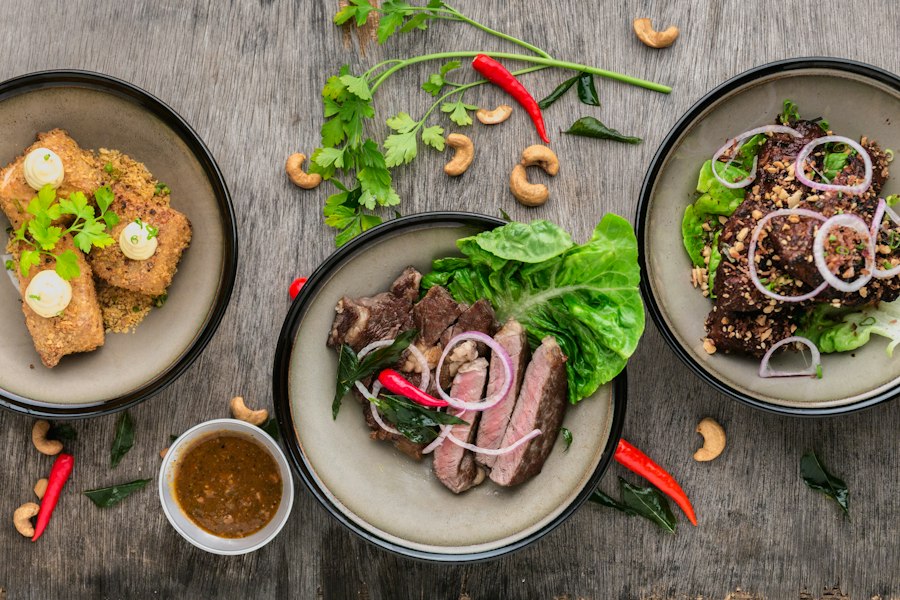
Discipline is not about rules. It's about standards you hold yourself to.
Example Scenario
Make a waste audit list for a station: - 5 ways food gets wasted - 3 ways time gets wasted - 3 ways motion gets wasted - 3 ways communication creates waste
Then write one habit that reduces each type.
This teaches real operational value — not just 'don't waste food' but 'here is exactly where waste happens on this station and here is exactly how to prevent it.'
Rookie Mistakes
- Thinking waste is the chef's problem, not the cook's
- Overtrimming out of fear — losing usable product to excessive caution
- Overfiring out of panic — burning product rather than communicating a timing issue
- Letting clutter hide good product until it spoils
- Not rotating — FIFO is not optional, it is the system
The Professional Standard
Think in four types of waste: product, time, motion, communication
Waste reflects discipline — a disciplined cook reduces avoidable waste
Portion correctly, trim precisely, fire with judgment
Rotate product — FIFO is a discipline, not a suggestion
Communicate in time to save product — a late warning is better than a silent loss
Chef Wisdom
"Waste reduction is not just a business idea. It is one of the clearest signs that a cook understands the kitchen as a professional system — not just a place to cook food."
— 25 Years in Professional Kitchens
Workbook Reflection
Write your answers below. These are saved automatically in your browser.
Extended Study
The economics of kitchen waste are more significant than most line cooks realize. In a typical restaurant, food cost represents 28-35% of revenue. A 1% reduction in food waste can translate to thousands of dollars in annual savings for a mid-sized restaurant. But the financial impact is only part of the story.
The Trust Economy of Waste: In a kitchen, waste is visible. Chefs see the trim pile. They see the burned proteins. They see the product that died in the back of the lowboy. Every piece of waste is a data point about the cook's attention, planning, and discipline. A cook who consistently wastes product is communicating something about their professional standards — whether they intend to or not. Conversely, a cook who consistently minimizes waste is communicating competence, attention, and respect for the operation.
The Four Waste Types in Depth: Product waste is the most visible but not the most expensive. Time waste — the repeated searching, the preventable refires, the inefficient close — often costs more in labor than the food itself. Motion waste is the hidden tax on every poorly organized station: every extra step, every unnecessary reach, every repeated backtrack adds up across a shift into significant lost time. Communication waste is the most insidious: the late warning that becomes a crisis, the vague time that causes a dead pickup, the hidden mistake that compounds into a refire — these create cascading costs that dwarf the original error.
The Attention-Waste Connection: Most kitchen waste is not caused by lack of knowledge. It is caused by lack of attention. The cook who knows FIFO but does not rotate is not ignorant — they are inattentive. The cook who knows proper portioning but over-portions under pressure is not unskilled — they are uncontrolled. Building waste reduction habits is fundamentally about building attention habits: the discipline to notice what is happening to product, time, motion, and communication before the waste occurs.
Kitchen Simulation
Scenario A — The Dying Product: You are restocking your lowboy at the start of service. In the back, you find a container of prepped vegetables that was not rotated properly. They are still usable but only barely. The Survival Move: Use them first. Move them to the front. Label them clearly. Tell your chef if they are borderline. Do not hide the problem and hope no one notices. A cook who surfaces a product issue early is a cook who can be trusted. A cook who hides it is a liability. Scenario B — The Overfire Panic: You have three steaks on the grill. The rail is getting heavy. You are nervous about timing. You fire two more steaks before you need them because you are afraid of falling behind. The Survival Move: Firing out of panic is one of the most common sources of product waste. Fire from the controlling item, not from fear. If you are unsure about timing, communicate: 'Chef, I need a time check on table 8.' A thirty-second communication prevents a $30 wasted protein. Scenario C — The Communication Waste: You notice your backup salmon is getting low. You do not say anything because you think someone else will handle it. At 7:45 PM, you run out mid-service. The Survival Move: When you see a threshold approaching, call it. 'Chef, salmon is getting low, two portions left.' This takes five seconds. The alternative is a 86 situation that disrupts service, wastes time, and damages guest experience.
Mastery Quiz
Test yourself before revealing answers. These questions come directly from your certification exam.
Take It to the Kitchen
Make a waste audit list for your station: 5 ways food gets wasted, 3 ways time gets wasted, 3 ways motion gets wasted, 3 ways communication creates waste. Then write one specific habit that reduces each type. Use this audit as your waste-reduction checklist for the next two weeks.
Module 6, Lesson 55: Inventory Awareness — the proactive system that prevents product waste before it happensModule 4, Lesson 35: Ticket Flow and Firing Sequences — how proper firing discipline eliminates overfire wasteModule 8, Lesson 77: Understanding the Kitchen as a Business — the broader economic context of waste reduction