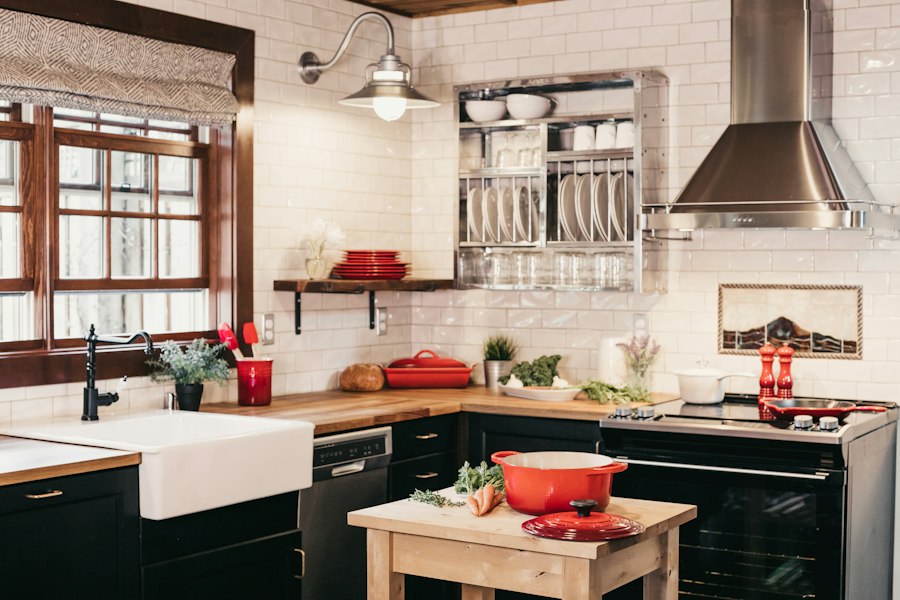
Learning the Kitchen Layout Fast
Lesson Objective
Understand why kitchen layout knowledge is a speed skill, and how to learn the five critical areas of any kitchen as fast as possible.
Why It Matters
A new cook who does not know where things are becomes slow in ways they do not even realize.
Every time you search for a pan, backup sauce, sheet trays, gloves, fryer baskets, towels, hotel pans, or plastic wrap — you are leaking time and attention.
Learning the kitchen layout fast is one of the quickest ways to become useful.
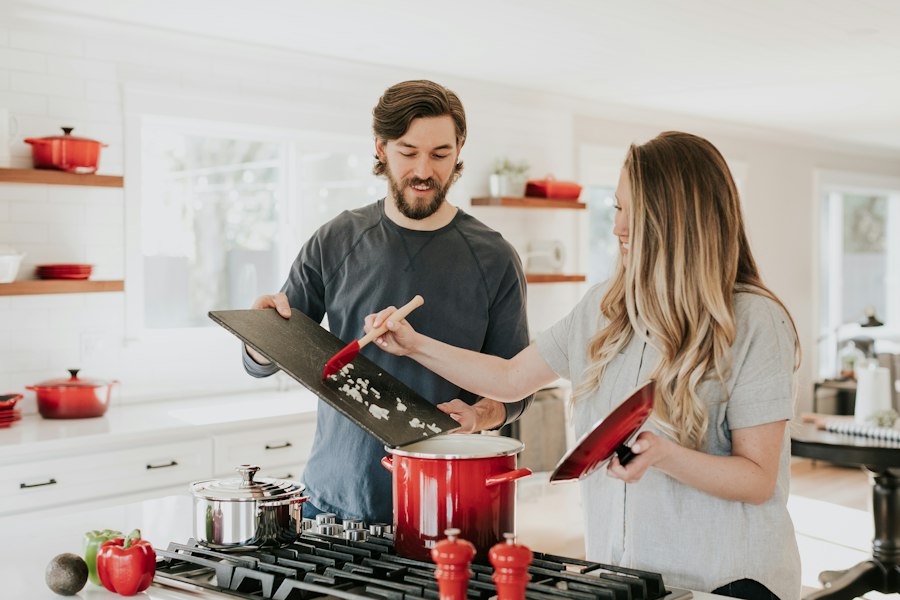
Learn the kitchen layout before service. Know where everything is before you need it.
The Core Lesson
In a kitchen, speed is not just about cooking. It is also about navigation. If you know the kitchen, you move clean. If you do not know the kitchen, you hesitate, wander, ask too much, and block flow. This matters even more during service, when people do not have time to stop and re-explain where things live.
The fastest method is active observation. Do not just wait until you need something. Study the room early. Ask yourself: where does food come from? Where do dirty things go? Where do clean things return? Where are high-use items stored? What areas cause traffic? Then reinforce it by moving there yourself. Memory gets stronger through physical repetition.
Do not ask the same location question five times. If someone shows you once, lock it in. Write it down if you need to. A notebook makes you look serious. Repeated avoidable confusion makes you look dependent.
Every kitchen organizes differently. Study the system before you change anything.
The Three Chef Types
Know where proteins, produce, sauces, backups, and labeled prep live. This is your supply source — learn it on day one.
Know where dirty pans go, where clean pans return, and what equipment cycles through dish. Dish flow affects your station directly.
Know where spices, flour, oils, starches, containers, and disposables are kept. These are your backup systems.
Know where your direct tools, backups, towels, sani buckets, and emergency refills live. This is your immediate survival zone.
Know where expo is, where the pass is, how the line flows, and where the traffic bottlenecks are. This is how you stay out of the way and in the right place.
Example Scenario
A new fry cook runs out of backup fries during service.
Cook A already knows the freezer location, the scoop, the backup pan, and the path back to station.
Cook B has to ask three people and opens the wrong door first.
That difference is not talent. It is layout awareness.
Rookie Mistakes
- Waiting until you need something to learn where it is
- Asking the same location question multiple times
- Not writing down where things live
- Wandering instead of moving with purpose
- Blocking traffic while searching
The Professional Standard
Map the five key areas on day one — don't wait for service to teach you
Write it down: a notebook is a tool, not a crutch
Move there physically to lock it in — memory needs repetition
Ask once, lock it in, never ask again
Chef Wisdom
"A cook who learns the kitchen layout quickly becomes useful quickly. Knowing where things are is not a small skill — it is part of speed, confidence, and survival."
— 25 Years in Professional Kitchens
Workbook Reflection
Write your answers below. These are saved automatically in your browser.