Kitchen Etiquette: The Language That Keeps People Safe
Lesson Objective
Understand that kitchen etiquette is not optional politeness — it is a safety and efficiency system that every professional uses without exception.
Why It Matters
Kitchen etiquette is often treated like a side topic. It is not.
Etiquette is one of the systems that keeps kitchens safer, faster, less chaotic, and more respectful. Without etiquette, a crowded kitchen becomes a dangerous mess.
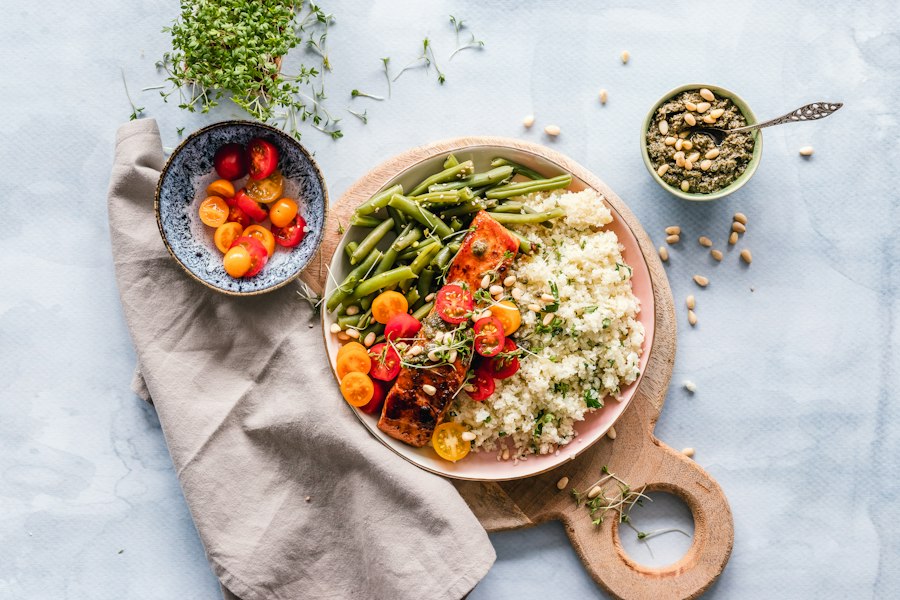
Your station is your responsibility. Keep it clean, keep it organized, keep it stocked.
The Core Lesson
Kitchen etiquette is professional movement and communication. It includes calling 'behind,' calling 'corner,' saying 'hot,' saying 'sharp,' saying 'heard,' not blocking traffic, not touching another cook's setup without asking, not throwing knives in sinks, and not disappearing without saying something. These habits are not just polite. They protect the room.
Imagine a cook backs up with a hot sauté pan and says nothing. Or someone turns a blind corner carrying a full tray and never calls 'corner.' That is how accidents happen. Etiquette turns individual movement into shared awareness.
When chef gives direction, 'heard' matters because it confirms: I listened, I understood, I'm acting on it. But do not fake it. Saying 'heard' and then doing the wrong thing damages trust fast.
Kitchen etiquette also includes social behavior: not grabbing another cook's mise, not reaching through someone's station carelessly, not hovering in the way, not flooding chef with bad-timed questions, and not creating more emotional noise than the room already has. Good etiquette makes the kitchen smoother to work in.
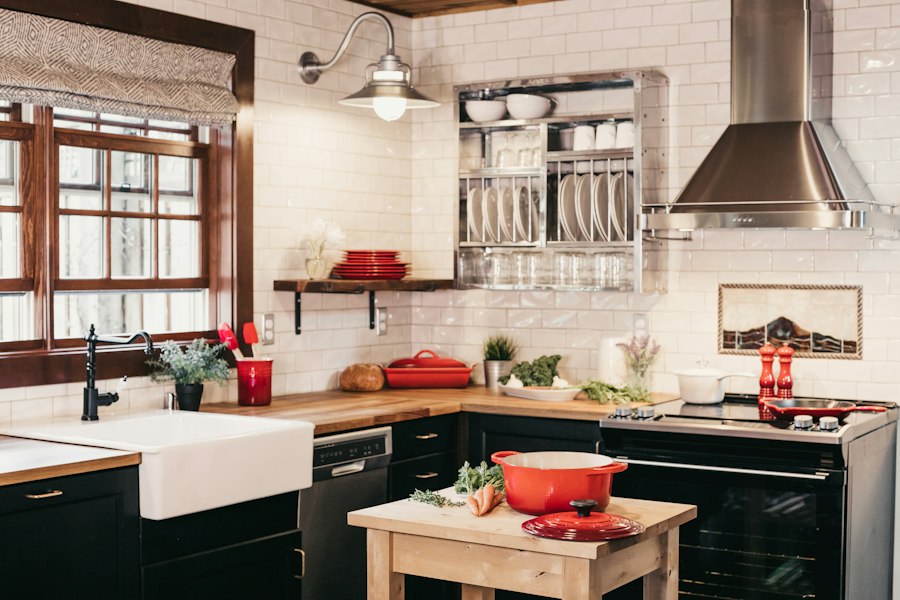
Label everything. Date everything. Know what you have before service.
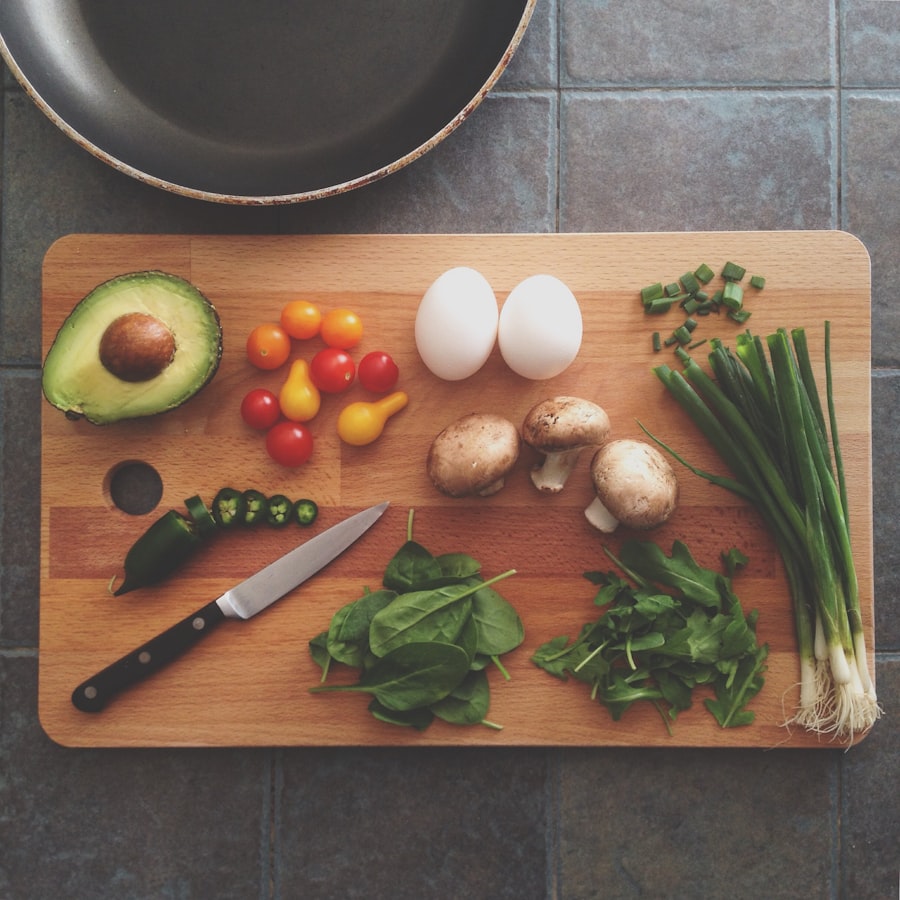
Mise en place is not a task you do once. It's a constant discipline.
The Three Chef Types
Said when moving behind someone in a tight space. Gives them time to hold still. Never assume they know you're there.
Said when turning a blind corner — especially carrying hot food, sharp tools, or full trays. Warns anyone coming the other way.
Said when moving with hot pans, plates, or liquids near other people. Tells them to move or be aware.
Said when passing a knife or moving with a blade near others. Always pass a knife handle-first and announce it.
Said to confirm you received and understood an instruction. Not just acknowledgment — it's a commitment. Only say it if you actually heard and understood.
Example Scenario
Write down the meaning of: behind, corner, hot, sharp, heard.
Then write one example of how failing to say each one could cause a specific problem in a real kitchen.
This is not a vocabulary exercise. It is a safety exercise.
Rookie Mistakes
- Not calling 'behind' in a crowded kitchen
- Turning corners without calling 'corner'
- Moving hot pans silently near other cooks
- Throwing sharp tools into sinks without warning
- Saying 'heard' without actually understanding the instruction
The Professional Standard
Call behind every time — no exceptions
Call corner every time — no exceptions
Say hot when moving with heat near people
Say sharp when passing or moving with a blade
Only say 'heard' when you actually heard and understood
Chef Wisdom
"Kitchen etiquette is not optional polish. It is part of how professionals keep a kitchen safe, efficient, and workable under pressure."
— 25 Years in Professional Kitchens
Workbook Reflection
Write your answers below. These are saved automatically in your browser.