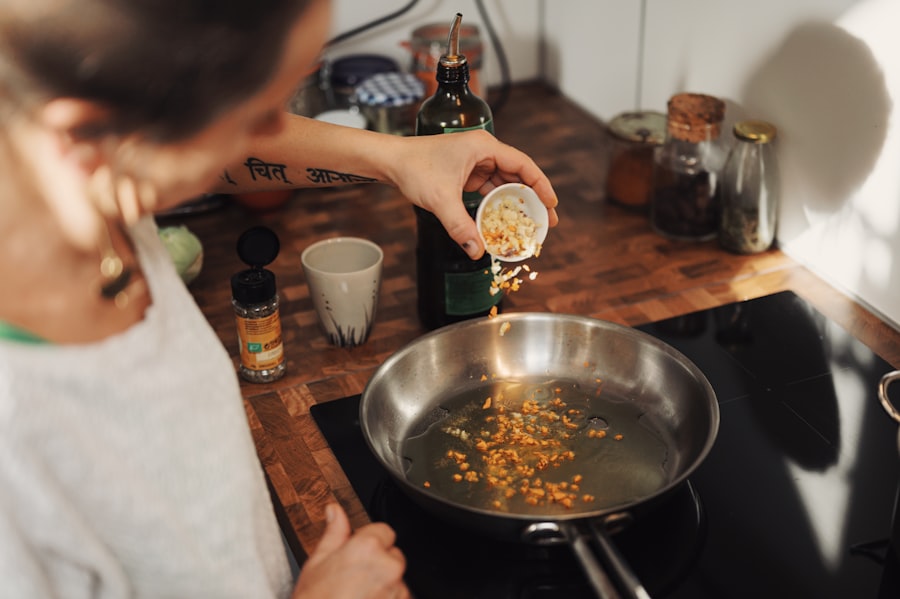
How Professional Prep Really Works
Lesson Objective
Learn the five-step professional prep flow that transforms a prep list into controlled, efficient execution — and understand why sequence matters more than speed.
Why It Matters
Most beginners approach prep by starting with whatever is in front of them.
That creates inefficiency, forgotten items, and a station that is technically prepped but not truly ready.
Professional prep is not about working harder. It is about working in the right order.
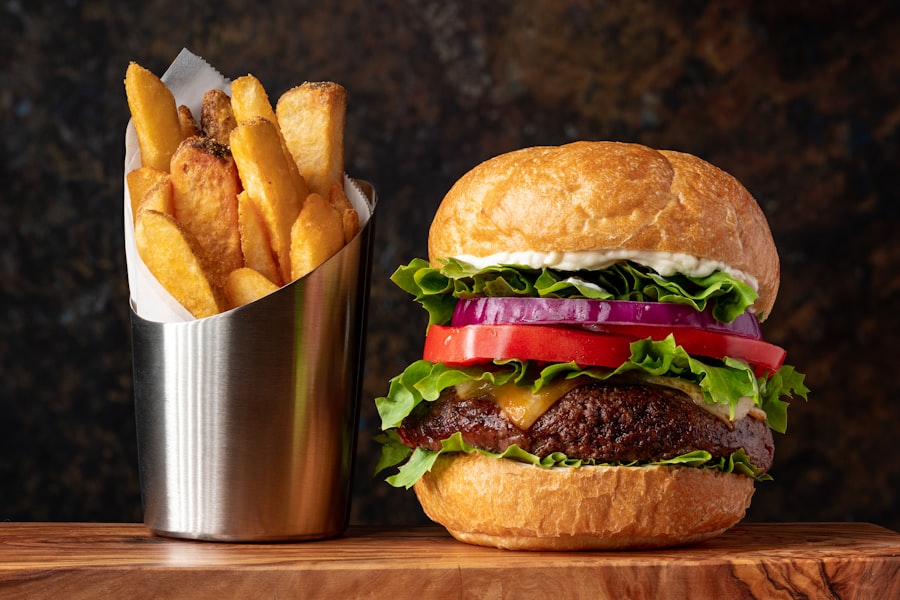
The correct grip: the pinch grip gives you control and speed.
The Core Lesson
Professional prep follows a logic. It is not random. The first thing a strong prep cook does is read the full prep list before starting any task. This seems obvious, but many beginners skip it. They see the first item, start cutting, and only discover later that they missed something time-sensitive or that they set up in the wrong order.
After reading, the next step is prioritization. Not all prep tasks are equal. Some items need more time. Some need to be done first because they affect other tasks. Some need to be done last because they degrade quickly. Understanding priority is what separates efficient prep from busy prep.
Grouping is the third step — and it is one of the most powerful efficiency tools in a kitchen. Grouping means batching similar tasks: all the knife work together, all the hot prep together, all the cold prep together. Every time you switch between task types, you lose time to setup and mental reset. Grouping reduces that friction.
Staging is the fourth step: placing finished prep in the right location, in the right container, in the right form for service. Prep that is done but staged incorrectly is prep that slows service. The final step is reset — returning the prep area to a clean, ready state so the next task begins in a controlled environment.
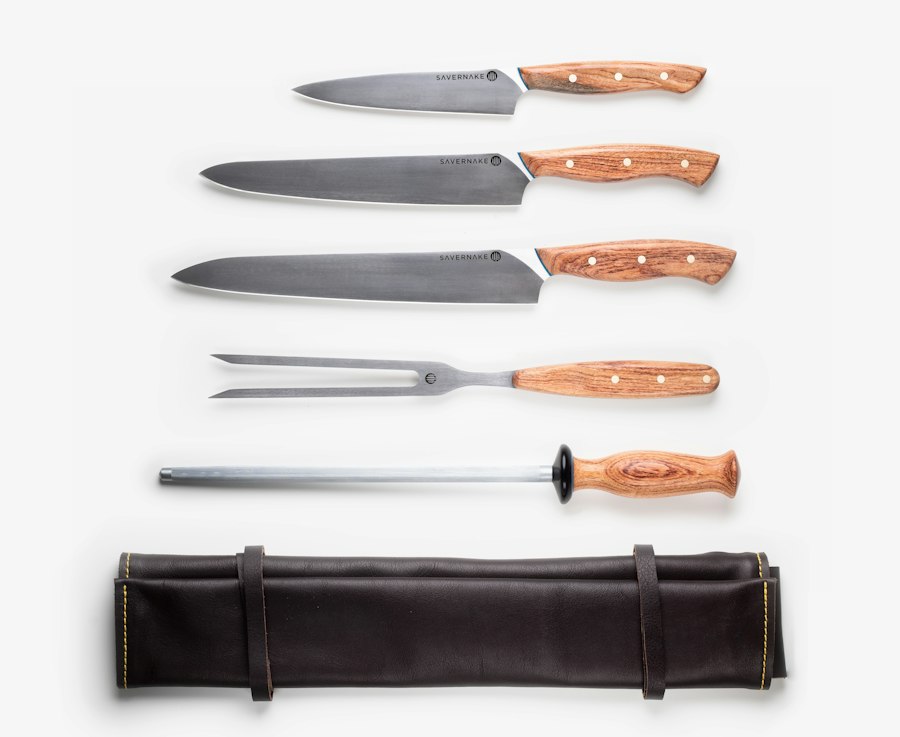
Use the right knife for the right job. A chef's knife is not a cleaver.
Hone before every use. Sharpen weekly. A dull knife is a dangerous knife.
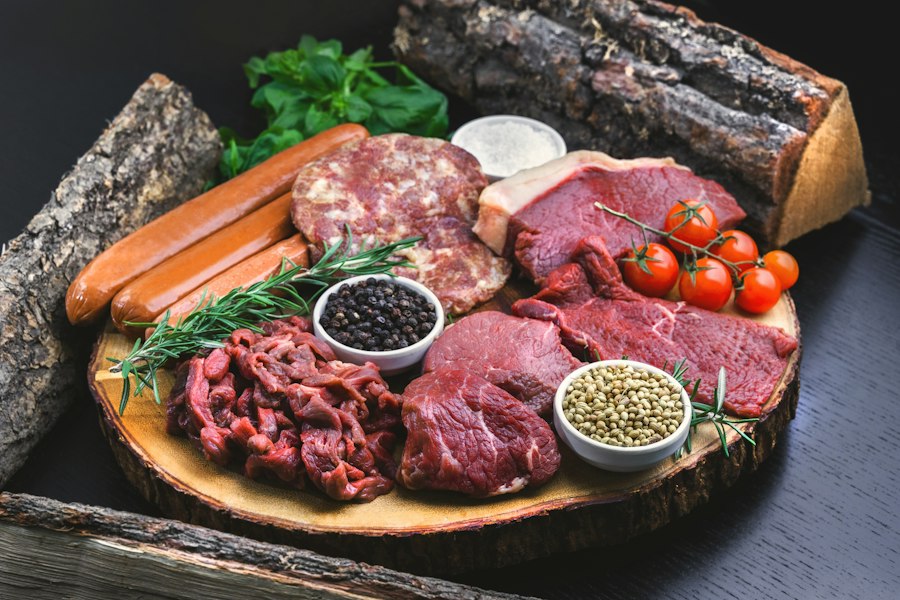
The claw grip protects your fingers and guides the knife precisely.
The Three Chef Types
Read the full prep list before starting anything. Understand what needs to be done, what takes longest, and what affects other tasks.
Identify what must be done first (time-sensitive, longest lead time), what can be done later, and what degrades quickly and should be done last.
Batch similar tasks together. All knife work, then all hot prep, then all cold prep. Reduce task-switching friction.
Place finished prep in the correct location, container, and form for service. Prep done but staged wrong is prep that creates problems.
Return the prep area to a clean, ready state after each major task. The next task begins in a controlled environment, not a mess.
Example Scenario
A cook has to prep: stocks, proteins, vegetables, sauces, and garnishes.
The weak approach: start with whatever is nearest, work until done, leave the area messy.
The professional approach: read the full list, identify that stocks take longest and must start first, group all knife work, stage proteins in service-ready containers, reset between major tasks.
Same ingredients. Completely different outcome.
Rookie Mistakes
- Starting prep without reading the full list first
- Working in random order instead of by priority
- Switching between task types constantly instead of grouping
- Finishing prep but staging it incorrectly for service
- Not resetting between tasks — letting mess accumulate
The Professional Standard
Read the full list before touching anything
Prioritize by time requirement and service impact
Group similar tasks to reduce friction
Stage prep in service-ready form and location
Reset after each major task — the next task deserves a clean start
Chef Wisdom
"Prep speed does not come from moving faster. It comes from moving in the right order. A cook who sequences correctly will always outperform a cook who just works hard."
— 25 Years in Professional Kitchens
Workbook Reflection
Write your answers below. These are saved automatically in your browser.