Portioning Proteins Correctly
Lesson Objective
Understand that correct portioning is not just about weight — it is about consistency, shape, trim, and storage that supports predictable service execution.
Why It Matters
A lot of kitchen problems start before the protein ever hits the grill.
They start at portioning.
If proteins are portioned badly, service becomes less consistent, food cost becomes unstable, and timing becomes harder to predict.
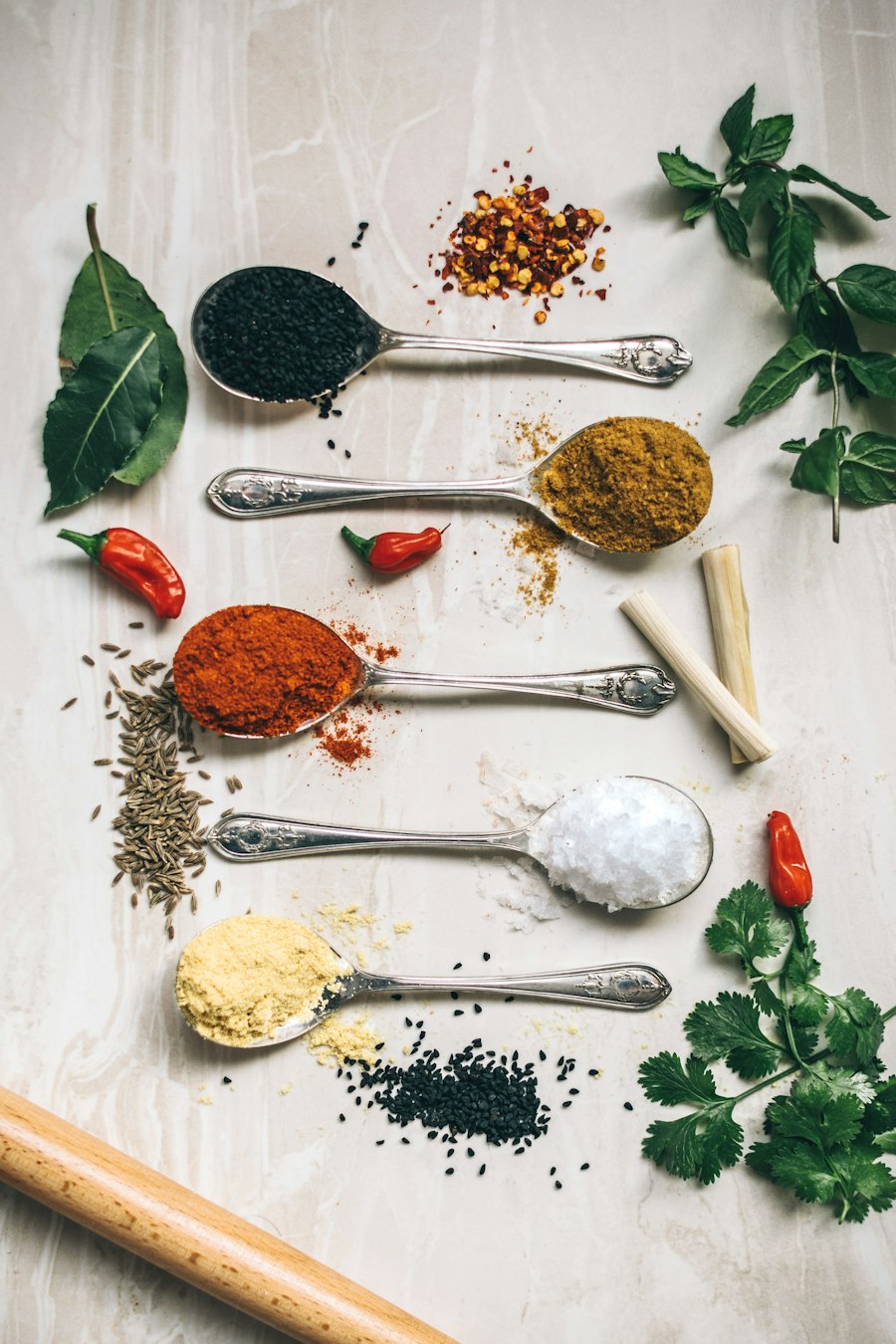
Seasoning is a skill. Salt, acid, fat, and heat — the four elements of flavor.
The Core Lesson
Correct portioning affects cook times, consistency, plate balance, food cost, guest expectation, and station rhythm. If one chicken breast is 6 oz and another is 10 oz, they are not the same pickup problem. That inconsistency creates timing errors. It also makes the restaurant look unreliable.
Portioning is about more than weight. Shape, thickness, trim, and storage also matter. A properly portioned protein should be correct in weight, trimmed consistently, shaped for even cooking if needed, and stored in a way that supports service. For example, steaks of equal weight but wildly uneven thickness may still cook differently. That is why portioning is part technical and part visual.
When proteins are portioned consistently, grill timing becomes more predictable, plate sizing looks more consistent, cooks trust their counts more, waste is easier to track, and chef has fewer surprise problems during service. Consistent portioning is one of the invisible systems that makes service smoother.
Season in layers. Salt at the beginning, middle, and end of cooking.

Fresh herbs are added at the end. Dried herbs go in early. Know the difference.
Example Scenario
Take three cuts of protein: chicken breast, salmon, steak.
For each one, write: why consistent portioning matters, what service problem happens if sizes are uneven, and what visual clue besides weight might matter.
That builds portion thinking — not just portion knowledge.
Rookie Mistakes
- Eyeballing when precision is needed
- Inconsistent trim — some pieces thick, some thin
- Overhandling product during portioning
- Poor stacking and storage after portioning
- Not separating line product from backup clearly
The Professional Standard
Weight is necessary but not sufficient — shape and thickness matter too
Consistent trim creates consistent cook times
Portion for service-readiness, not just for weight
Store portioned proteins in a way that supports the station
Chef Wisdom
"Portioning is one of the hidden systems that makes service more predictable and the restaurant more profitable. Inconsistent portions are not just a cost problem — they are a service problem."
— 25 Years in Professional Kitchens
Workbook Reflection
Write your answers below. These are saved automatically in your browser.