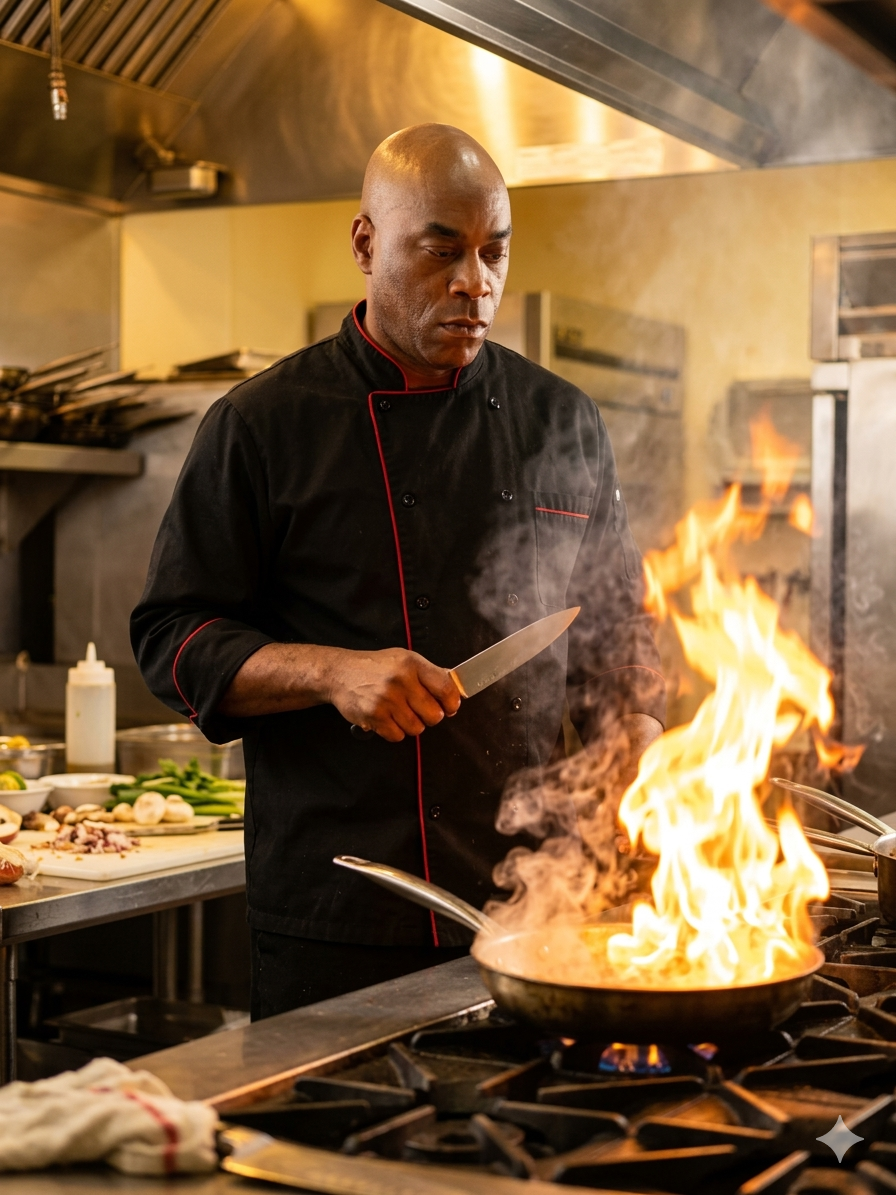
Preparing for Service Like a Professional
Lesson Objective
Integrate all mise en place concepts into a complete pre-service system — and understand the difference between 'almost ready' and truly ready.
Why It Matters
This lesson brings the whole module together.
Because mise en place is not one thing. It is the full pre-service system.
Preparing for service professionally means more than 'doing prep.' It means proving that the station can survive the first wave of pressure without immediately falling apart.
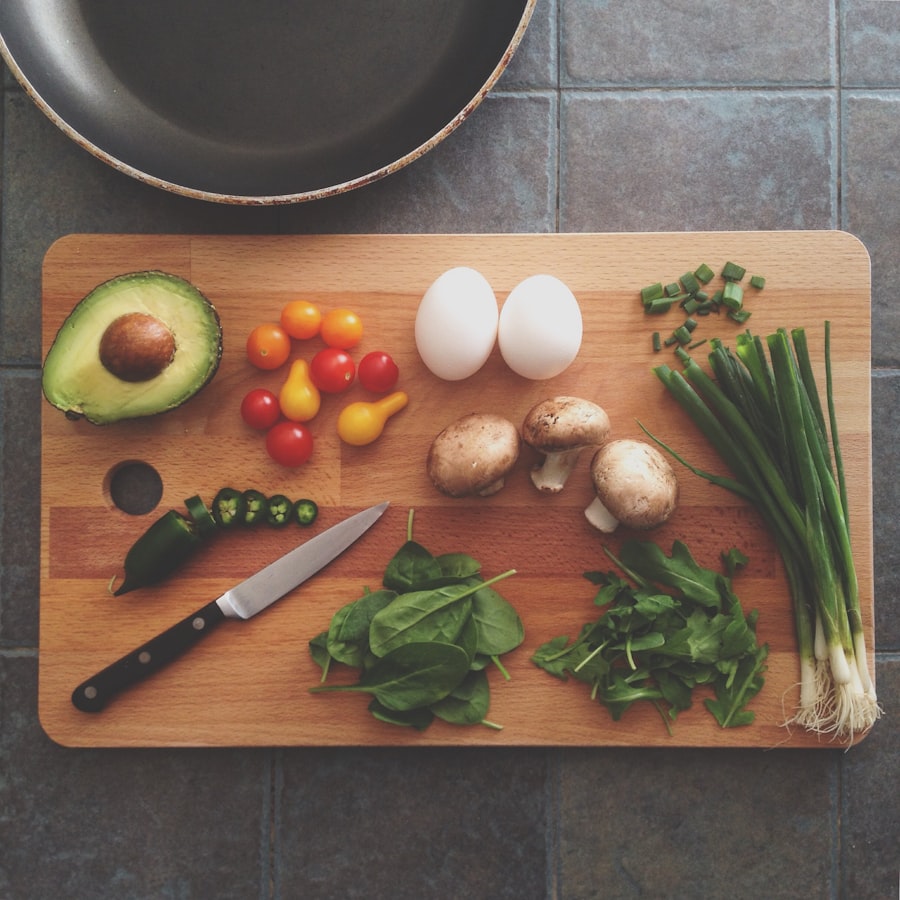
Mise en place mastery is not a destination — it's a daily practice.
The Core Lesson
Before service, a strong cook should be able to answer yes to a series of questions across six categories. These are not optional — they are the minimum standard for professional readiness. A station that cannot answer yes to most of these questions is not ready for service. It is ready to struggle.
A lot of beginners operate in almost-ready mode. That sounds like: 'I'll refill that later.' 'I think we have enough.' 'I can grab it if we need it.' 'We probably won't get slammed.' 'I just need one more thing.' Those phrases usually become service problems. Professionals try to kill uncertainty before the first ticket prints.
The final question before service is not 'Did I do some prep?' or 'Does it kind of look okay?' or 'Am I probably fine?' The question is: Can this station survive a rush right now? That is the question professionals prepare to answer.
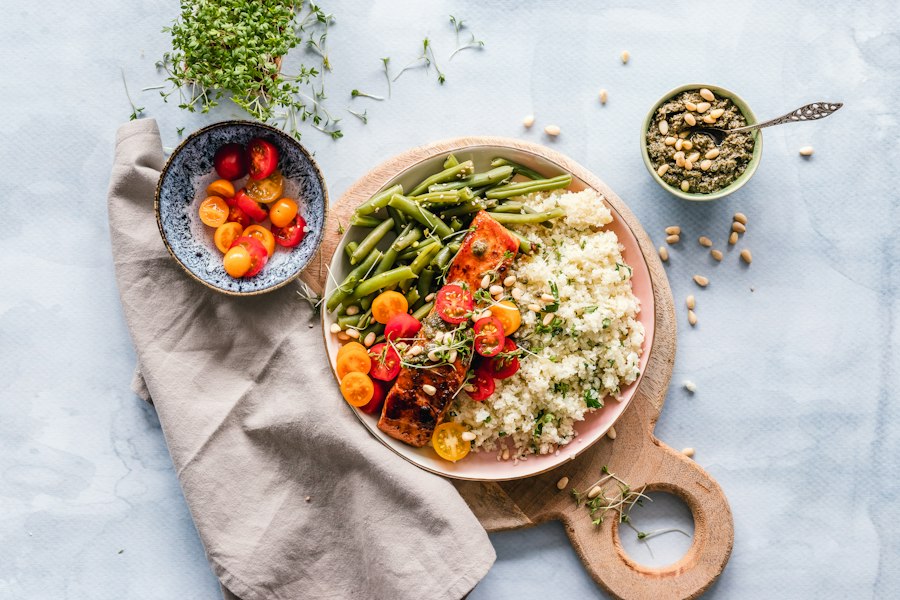
The professional cook's station is a reflection of their discipline.
The Three Chef Types
Do I have the proteins, veg, starches, sauces, and garnish I need? Are they in service-ready form?
What happens if I blow through the first insert fast? Is my backup truly deployable — not just technically present?
Do I have what I need within reach? Are towels, tongs, pans, spoons, knives, and bottles in place?
Does my station layout match how I actually work? Is my plating path clear?
Is my board clean? Do I have sani and a wipe-down plan? Are raw and ready-to-eat zones under control?
Do I know the menu rhythm? What items will pressure this station first? What can go wrong in the first rush?
Example Scenario
Before service begins, ask: Can this station survive a rush right now?
Not: 'Did I do some prep?' Not: 'Does it kind of look okay?' Not: 'Am I probably fine?'
But: Can this station survive?
That is the question professionals prepare to answer — and the difference between entering a rush with control and entering it with excuses.
Rookie Mistakes
- Operating in 'almost ready' mode
- Saying 'I'll refill that later' before service
- Thinking 'probably fine' is a readiness standard
- Completing physical prep but skipping mental readiness
- Not testing backup deployability before service
The Professional Standard
The standard is: can this station survive a rush right now?
Kill uncertainty before the first ticket prints
All six categories must be ready — not just product
Almost ready is not ready
Chef Wisdom
"Professional pre-service preparation is the difference between entering a rush with control and entering it with excuses. Mise en place is not a side skill. It is the engine behind professional execution."
— 25 Years in Professional Kitchens
Workbook Reflection
Write your answers below. These are saved automatically in your browser.
Module 03 Complete
Module 3 teaches that mise en place is a three-layer professional system — physical, mental, and operational — not just a checklist. By the end of this module, the student should understand what mise en place really means, how professional prep flows in the right sequence, how to build prep lists that communicate clearly, how to set up a station that survives pressure, how to maintain knife and tool discipline, how to complete the full prep cycle, how to build food safety habits that survive fatigue, how to portion proteins correctly, how to build real backup strategy, and how to answer the question: Can this station survive a rush right now?