Reading the Ticket Rail Like a Professional
Lesson Objective
Learn to read the ticket rail as information — not intimidation — using a five-part structured scan that reveals the shape of incoming pressure before it arrives.
Why It Matters
Reading one ticket is one thing.
Reading the rail is something deeper.
The rail teaches a harder lesson: service is rarely about one ticket. It is about managing a moving queue of demands without losing the pattern. This is where many cooks begin to drown.
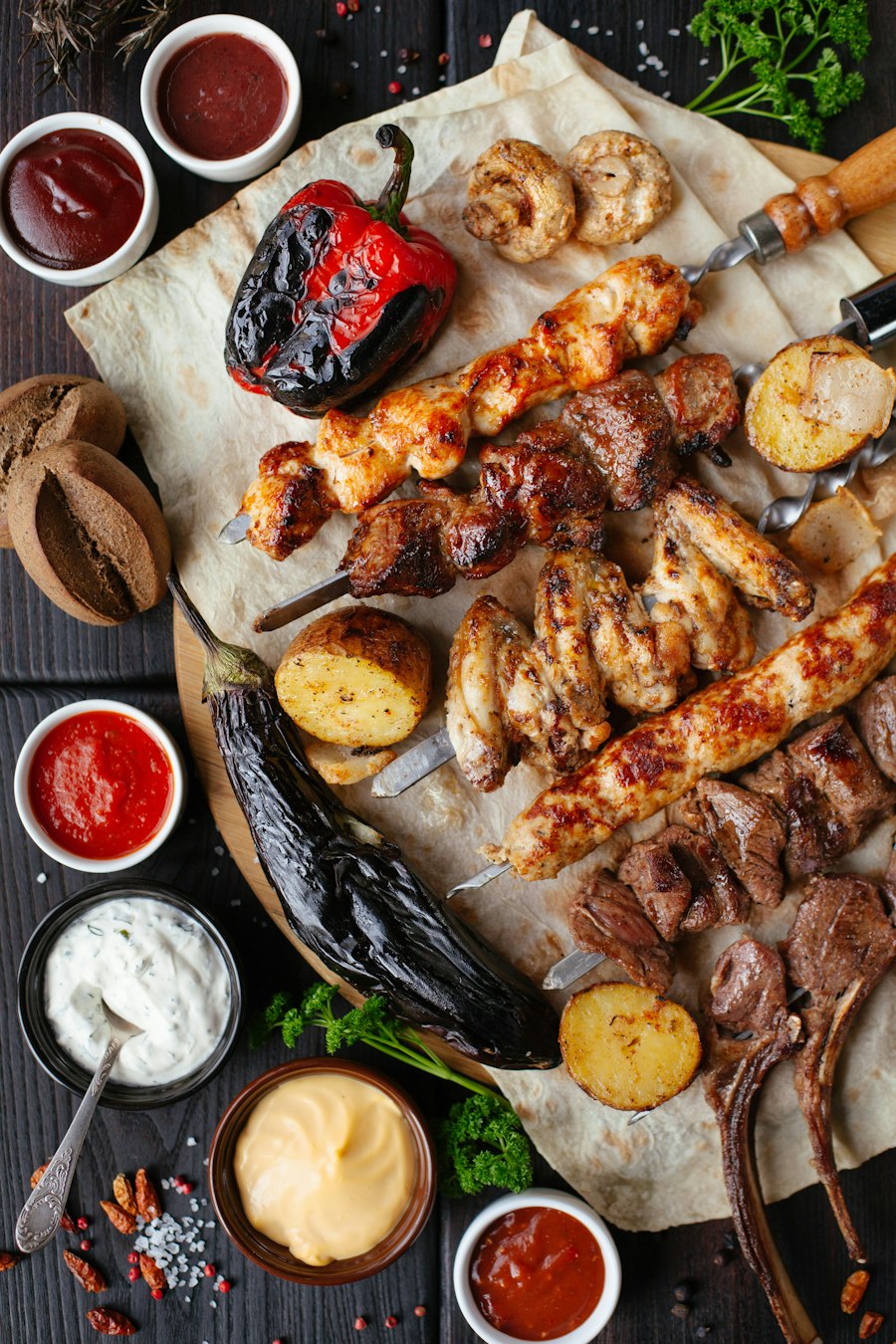
The grill station: the most demanding, most visible station on the line.
The Core Lesson
The ticket rail is not just where tickets hang. Operationally, the rail represents incoming pressure, order volume, sequence, priority, patterns in menu demand, and the shape of the next ten minutes. A weak cook sees a rail as intimidation. A strong cook sees a rail as information.
Beginners often make one of two mistakes: reading too little — focusing only on the front ticket and getting surprised by the next five — or reading too much emotionally — looking at the whole rail, panicking, and stopping sequencing clearly. The answer is neither tunnel vision nor panic. The answer is structured scanning.
A strong cook notices repetition early. If six tickets in a short span contain fries, the issue is not just 'fries on ticket 1.' The issue is now systemic: basket timing, backup counts, holding risk, communication with expo, coordination with proteins. This is why rail reading is not just visual. It is analytical. Beginners do emotional math: 'Too many tickets, too much food, I'm buried.' Professionals do operational math: 'What is repeating? What controls the pace? What must happen first? What do I need to say now?'
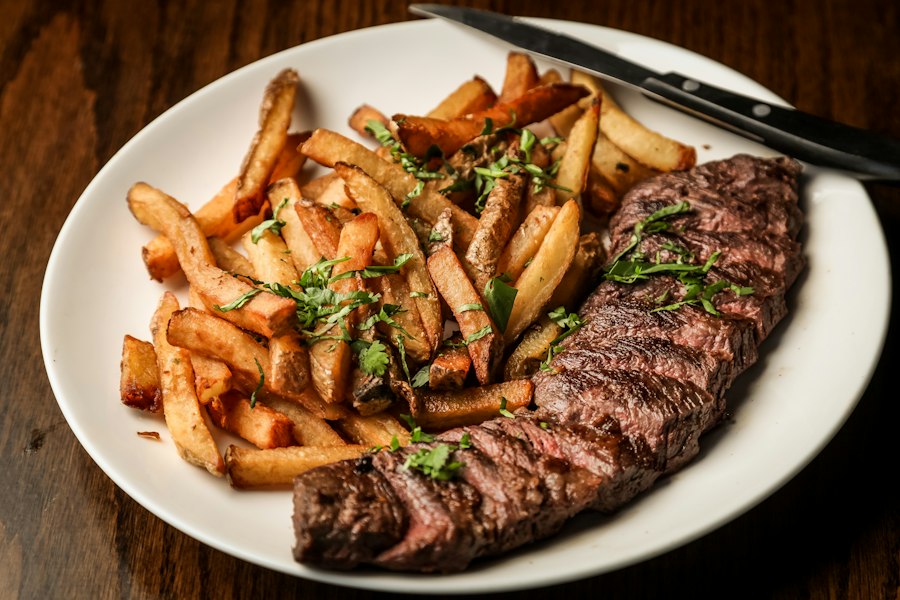
High heat, dry surface, don't move it. The Maillard reaction builds flavor.
Touch test: rare is soft, medium is springy, well-done is firm.
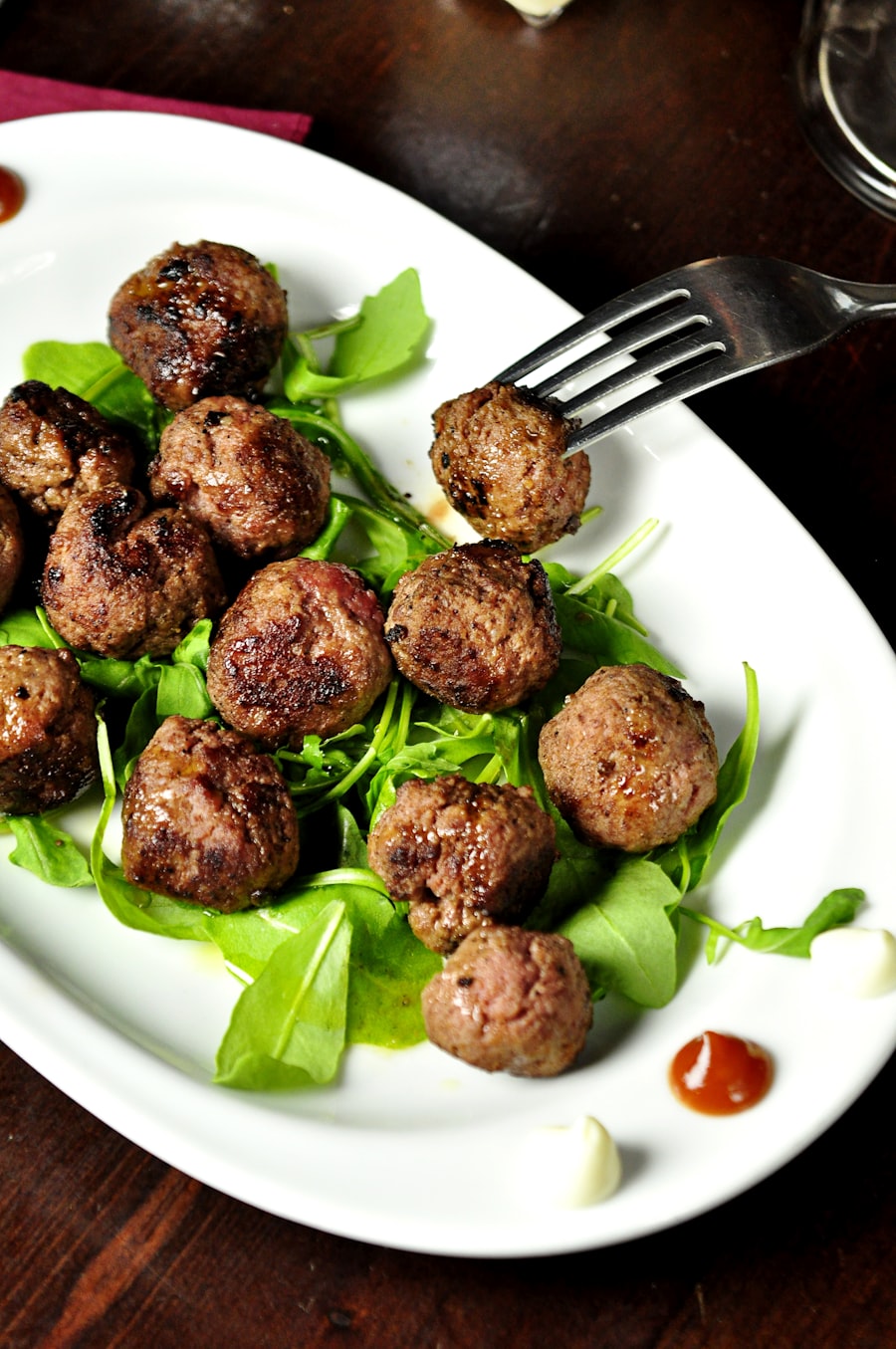
Rest proteins before cutting. 3 minutes minimum. This is not optional.
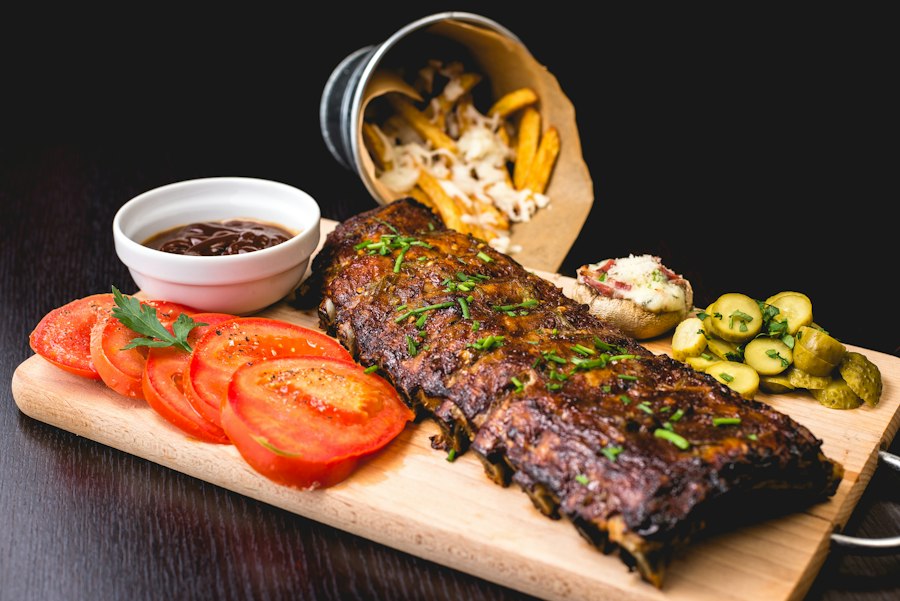
Grill organization by doneness: rare on the hot side, well-done on the cool side.
The Three Chef Types
How many total tickets are active? This sets the pressure level and tells you whether you are in a manageable flow or a building wave.
Are the same items repeating? Burgers? Pastas? Salmon? Fries? Repetition is information — it tells you what the station will face in the next 10 minutes.
Which item or station is likely to become the pressure point? Identify it before it becomes a problem.
Which tickets are likely to land close together? Understanding grouping helps you sequence work and communicate timing.
Do I need more backup? Do I need to drop ahead? Do I need to communicate now? The rail tells you what adjustments to make before the pressure peaks.
Example Scenario
You glance at the rail and see: 5 burgers, 4 fries, 3 chickens, 2 salmon, 1 steak across multiple tickets.
That tells you immediately: fry station load is rising, grill timing will tighten, chicken and burgers may begin crowding hot space, if you do not think ahead, backup and timing will fail.
The rail is already telling you the pressure points. The question is whether you are listening.
Rookie Mistakes
- Reading only the front ticket and getting surprised by the next five
- Looking at the whole rail and panicking instead of scanning
- Doing emotional math instead of operational math
- Missing repetition patterns until they become a problem
- Not adjusting backup or communication based on rail information
The Professional Standard
Scan the rail structurally: quantity, pattern, bottleneck, grouping, adjustment
The rail is information, not intimidation
Do operational math, not emotional math
Act on what the rail tells you before the pressure peaks
Chef Wisdom
"The rail is not there to scare you. It is there to show you the shape of incoming pressure. The better you read patterns, the less 'surprised' service can make you."
— 25 Years in Professional Kitchens
Workbook Reflection
Write your answers below. These are saved automatically in your browser.