Calling Orders: Why Kitchens Speak the Way They Do
Lesson Objective
Understand why kitchens call orders — not as theater, but as coordination — and how to call clearly, concisely, and at the right time.
Why It Matters
A kitchen cannot function if every cook privately interprets the ticket in silence.
Service requires a shared language.
That is why kitchens call orders. Calling orders is not theater. It is coordination.

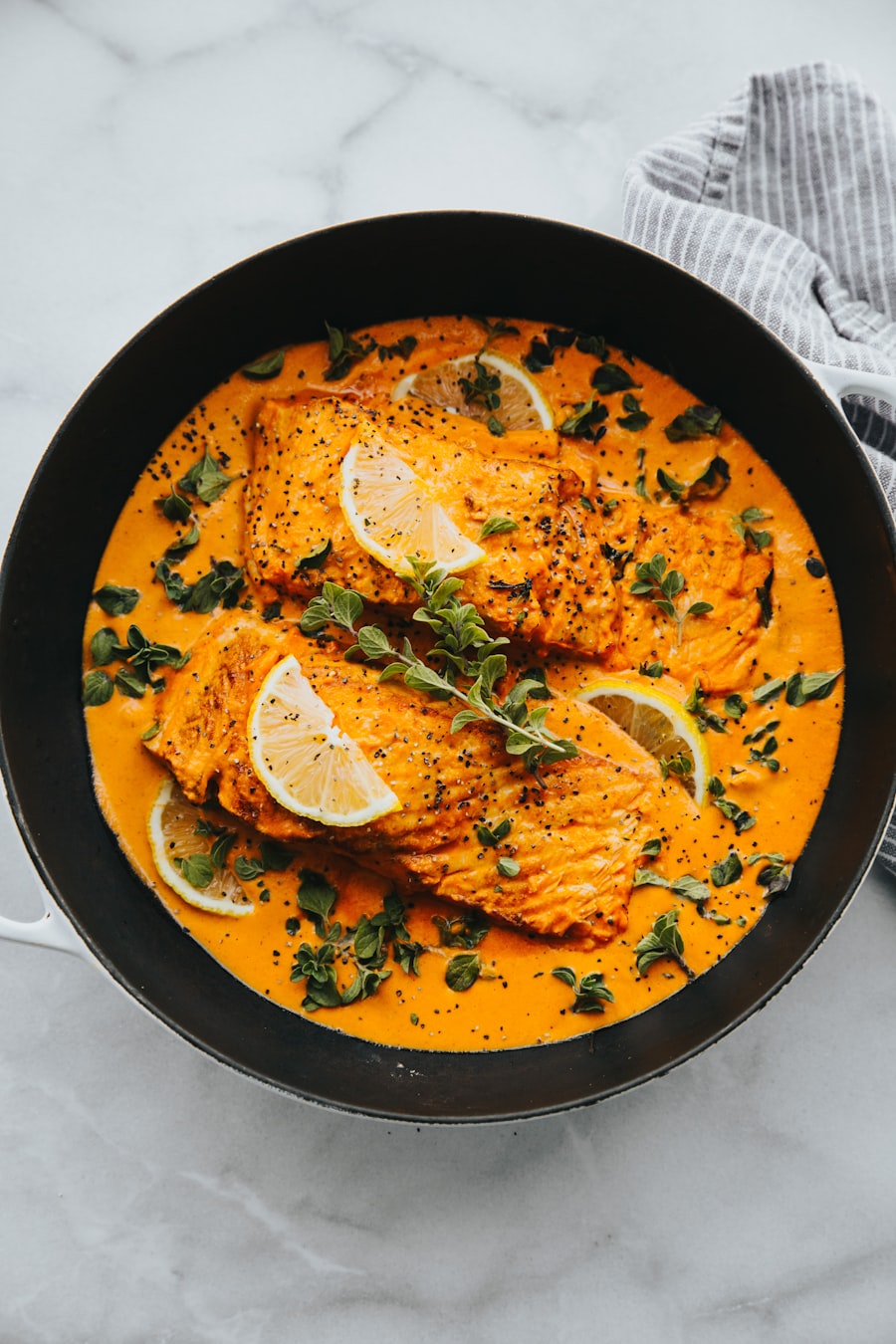
The sauté station: multiple pans, multiple proteins, multiple temperatures — simultaneously.
The Core Lesson
Calling orders means translating written ticket information into shared verbal timing awareness. It confirms the order exists, alerts stations, sets sequence, creates collective timing, and reduces missed items. A kitchen that does not call clearly often develops confusion, duplicate effort, forgotten sides, mistimed pickups, and anger that is actually just failed communication.
Humans process information better when critical information is reinforced. The ticket exists visually. The call reinforces it socially. That matters in a high-noise, high-heat environment where multiple stations depend on alignment. A proper call announces incoming items, identifies controlling items, signals timing sequence, sets pickup expectation, and invites confirmation.
Many beginners feel awkward speaking up, are afraid of sounding wrong, wait too long to communicate, or do not yet know what matters most in the call. This is normal. But it must be trained out quickly. Silence kills timing. Weak calling is mumbled, incomplete, late, emotionally noisy, or too vague. Strong calling is clear, concise, timely, and actionable.
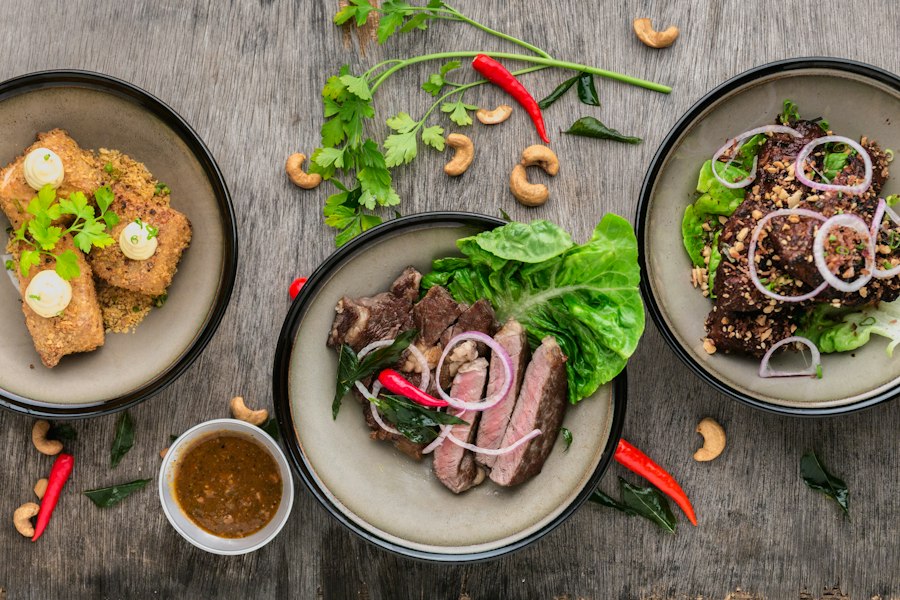
Tilt the pan, spoon hot butter over the protein. This is how you finish.

Deglaze immediately after the protein comes out. Don't let the fond burn.
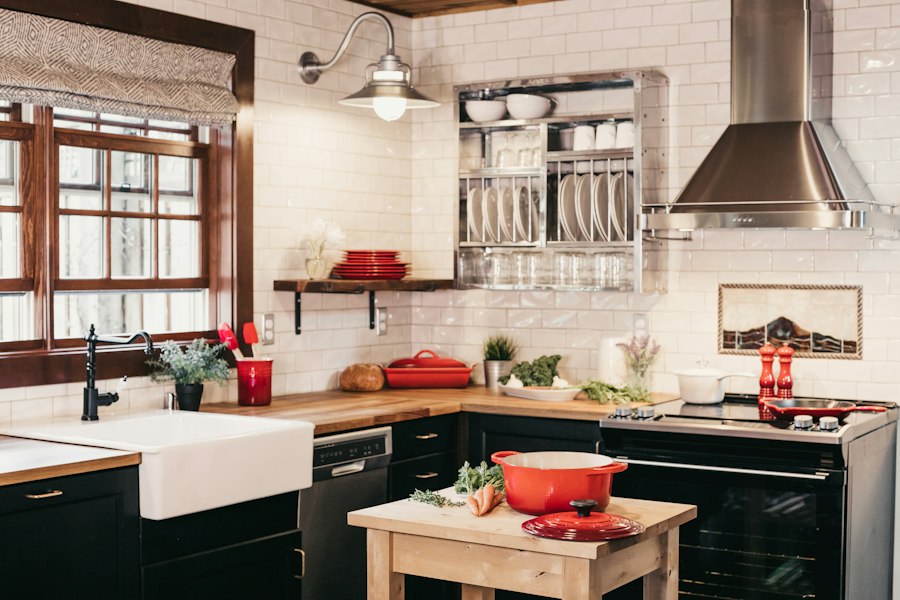
Pan control is the core skill of the sauté station. Know your heat zones.
Example Scenario
Take this order: steak medium, burger well done, fries, Caesar salad.
Write a clean service call for it. Then shorten it without losing operational meaning.
'Firing: steak medium, burger well done — fries and Caesar to follow.' That is a call. It is short, it sets sequence, it tells stations what is working and what follows.
That teaches verbal precision — which is a skill, not a personality trait.
Rookie Mistakes
- Staying silent because calling feels awkward
- Waiting too long to call — announcing food that is already dying
- Mumbling or being too vague to be useful
- Calling everything at once instead of sequencing
- Not confirming when called to
The Professional Standard
Call clearly, concisely, and at the right time
A call sets sequence — it is not just an announcement
Silence kills timing — call before the problem, not after
Practice shortening calls without losing operational meaning
Chef Wisdom
"Calling orders is how kitchens turn individual ticket reading into coordinated action. A line without clear calls becomes slower, more emotional, and less accurate."
— 25 Years in Professional Kitchens
Workbook Reflection
Write your answers below. These are saved automatically in your browser.