Station Recovery After a Hard Wave
Lesson Objective
Learn how to rebuild the station between service waves — restoring legibility and readiness so the next wave lands on a strong base, not a damaged one.
Why It Matters
Strong stations do not just survive waves.
They recover from them.
A weak cook gets through a wave and then stays disorganized, mentally behind, and vulnerable to the next one. A stronger cook knows how to rebuild the station between blows — and that recovery is what determines how the second wave goes.
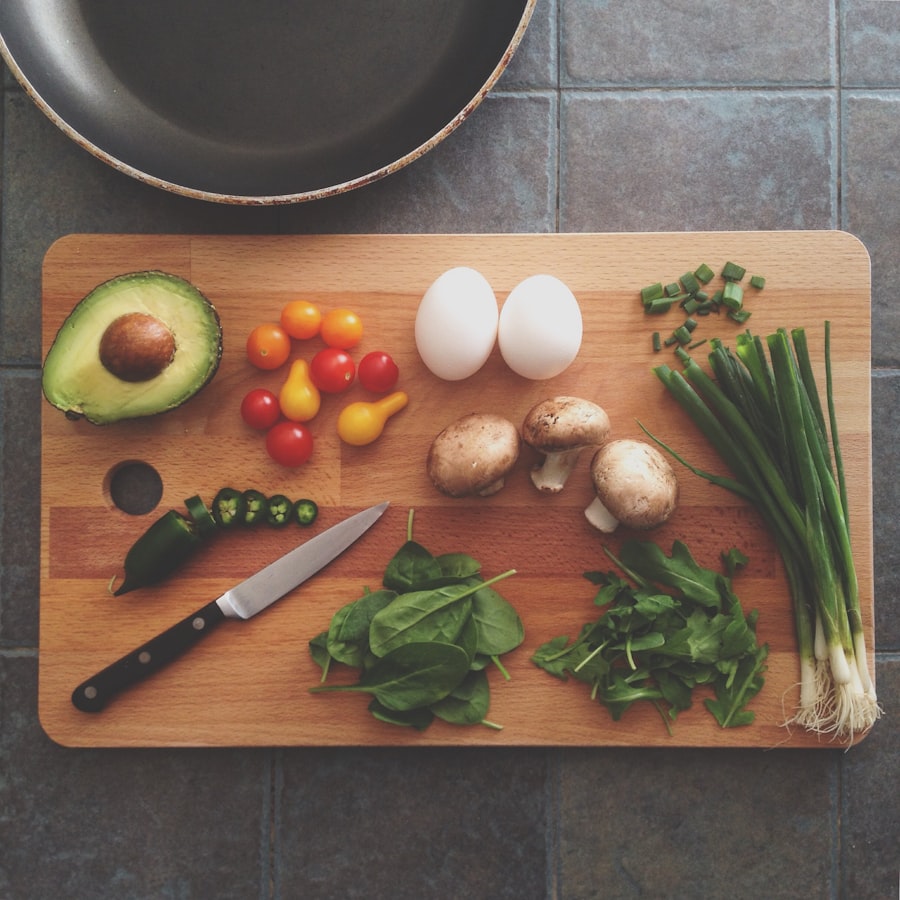
Station ownership means knowing your station better than anyone else.
The Core Lesson
Service often comes in repeated surges. If the station takes a hit and never truly resets, the next wave lands on a weaker base. That means every recovery window matters. The station after the wave should not stay in 'damage mode' longer than necessary. The cook who recovers fast between waves is the cook who can sustain quality through a full service — not just the first hour.
Recovery usually includes: re-establishing counts, wiping and clearing, replacing active tools, confirming backups, reorganizing active product, resetting plate and finish zones, and recalibrating mentally. The goal is not perfection. The goal is legibility and readiness — the station should be able to answer the next ticket cleanly. That is the recovery standard.
There are two recovery traps. The first is no recovery at all — the cook just keeps going in a degraded state, accumulating disorder until the station collapses. The second is over-cleaning or over-fixing at the wrong time — the cook gets lost trying to create perfection instead of restoring functionality. Strong recovery restores function first. Perfection can wait for close.
After a heavy burger-and-fries wave, a station may need: fresh fries up, fresh bun count, board wiped, cheese reset, sauces re-centered, tray clutter cleared, and current rail pattern re-scanned. That is recovery. Without it, the next wave hits a half-broken station. With it, the next wave hits a station that is ready. The difference in output quality between those two scenarios is significant.
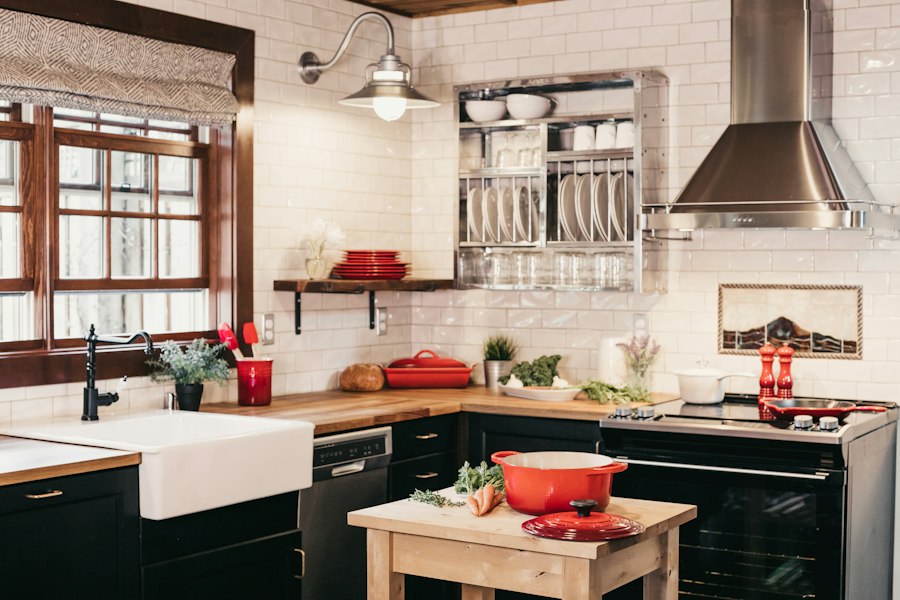
Your station is your responsibility. Own it completely.
Example Scenario
Write a 60-second recovery checklist for a station right after a wave.
Limit it to only what truly matters for restoring function — not a full deep clean, not a perfect reset, just the minimum that makes the station ready for the next wave.
That constraint teaches prioritization under recovery pressure: what is actually necessary versus what would be nice.
Rookie Mistakes
- Staying in damage mode after a wave instead of recovering
- Over-cleaning during recovery instead of restoring function first
- Skipping mental recalibration — re-scanning the rail after a wave
- Not confirming backups after a wave depleted them
- Treating recovery as optional when the next wave is coming
The Professional Standard
Recovery goal: legibility and readiness — not perfection
Restore function first: counts, tools, backups, board, product zones
Recalibrate mentally: re-scan the rail after recovery
Recovery is not optional — it determines how the next wave goes
Strong recovery is fast and focused, not thorough and slow
Chef Wisdom
"A strong station is not one that never gets hit. It is one that knows how to rebuild quickly after being hit. The cook who recovers fast between waves is the cook who can sustain quality through a full service."
— 25 Years in Professional Kitchens
Workbook Reflection
Write your answers below. These are saved automatically in your browser.