
Station Discipline: Doing the Right Things Without Being Chased
Lesson Objective
Understand that station discipline — doing required things consistently without external pressure — is one of the clearest signs of professional maturity and one of the most reliable paths to advancement.
Why It Matters
Discipline is one of the most important but least glamorous qualities in kitchen work.
It means doing required things consistently, not needing emotional motivation every time, protecting standards even when tired, and maintaining useful habits when no one is watching.
Station discipline is one of the clearest signs a cook is maturing.
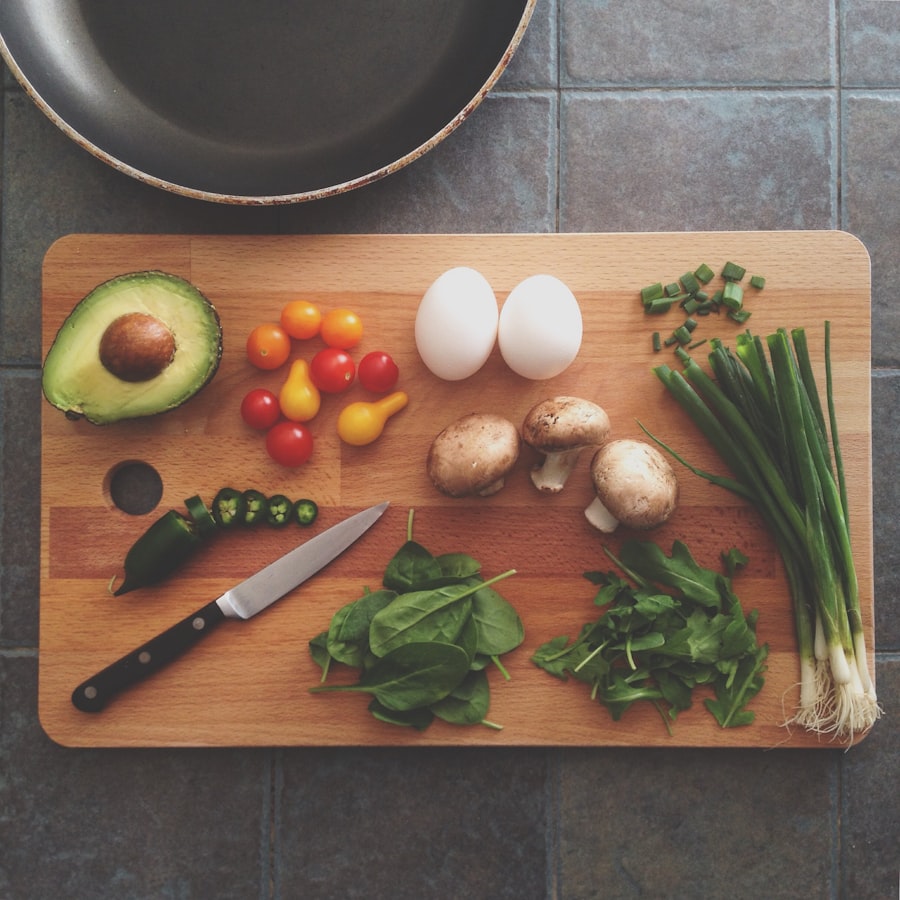
Station ownership means knowing your station better than anyone else.
The Core Lesson
Station discipline means: you check counts because that is what the station needs, you relabel because it is right — not because chef is staring, you wipe the board because clutter hurts execution, you restock before empty because that is the standard, and you close right because tomorrow matters too. Discipline is not dramatic. It is repeatable. And repeatability is what makes a cook trustworthy.
Why do cooks resist discipline? Because discipline is often invisible and repetitive. People want to be praised for speed, plating, surviving the rush, and technical moves. They do not always want to build boring consistency. But boring consistency is often what gets someone promoted. The cook who performs brilliantly on good days and inconsistently on hard days is less valuable than the cook who performs reliably on every day.
A cook who resets, counts, labels, wipes, restocks, and communicates without needing reminders is easier to trust than a more naturally talented cook who must be chased every shift. That is what discipline buys — not admiration, but trust. And in a kitchen, trust is the currency that opens doors. The chef who trusts a cook gives them harder stations, more responsibility, and eventually more opportunity.
Discipline is also a form of respect — for the station, for the team, and for the work. When a cook maintains their station properly, they are making the next person's job easier. When they close right, they are setting up the opening cook for success. When they restock before empty, they are protecting the cook who comes after them on a double. That awareness — that the station exists beyond your shift — is part of what separates professionals from people who are just passing through.
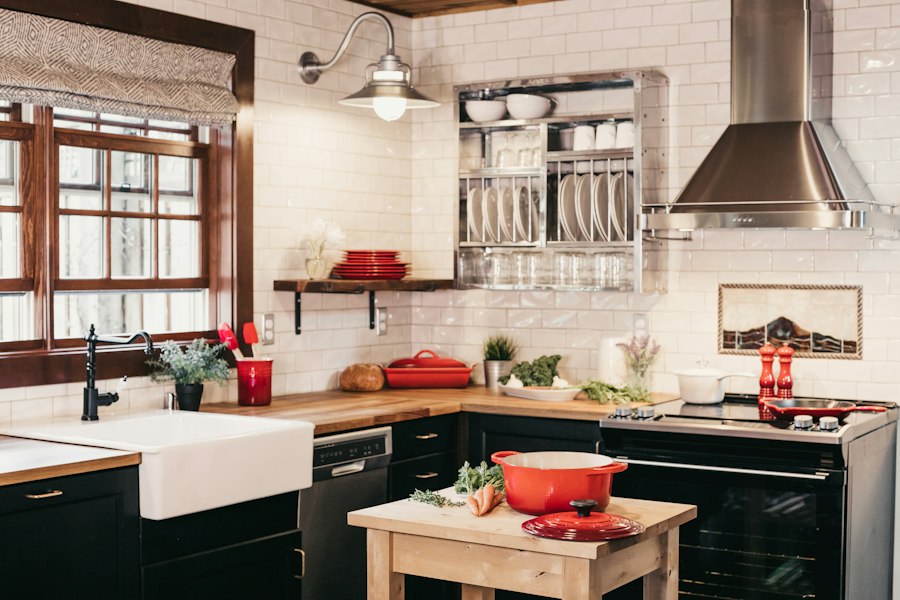
Your station is your responsibility. Own it completely.
Example Scenario
Write down 10 station behaviors that should happen every shift whether anyone reminds you or not.
That list becomes your discipline baseline — the floor of your professional standard.
Then ask: which of these do you currently do consistently? Which do you do only when reminded? Which do you skip when tired?
The gaps between those answers are your growth targets.
Rookie Mistakes
- Doing the right things only when chef is watching
- Waiting to be reminded instead of building the habit
- Prioritizing dramatic visible work over consistent invisible work
- Closing poorly because 'someone else will deal with it'
- Confusing talent with reliability — they are not the same
The Professional Standard
Do required things consistently — not only when motivated or watched
Protect standards even when tired
The discipline baseline: 10 behaviors that happen every shift without reminders
Boring consistency is what gets people promoted
Discipline is respect — for the station, the team, and the work
Chef Wisdom
"Station discipline is the habit of protecting the station's standards without waiting for external pressure. That is one of the deepest professional upgrades a cook can make — and it is almost entirely within your control."
— 25 Years in Professional Kitchens
Workbook Reflection
Write your answers below. These are saved automatically in your browser.