Becoming the Strongest Cook on the Line
Lesson Objective
Integrate all Module 6 concepts into a clear picture of what the strongest cook on the line looks like — and identify the specific gaps between that picture and your current habits.
Why It Matters
This lesson is not about ego.
It is about integration.
What makes someone the strongest cook on the line is not one heroic trait. It is the combination of many disciplined habits that allow them to stabilize the room.
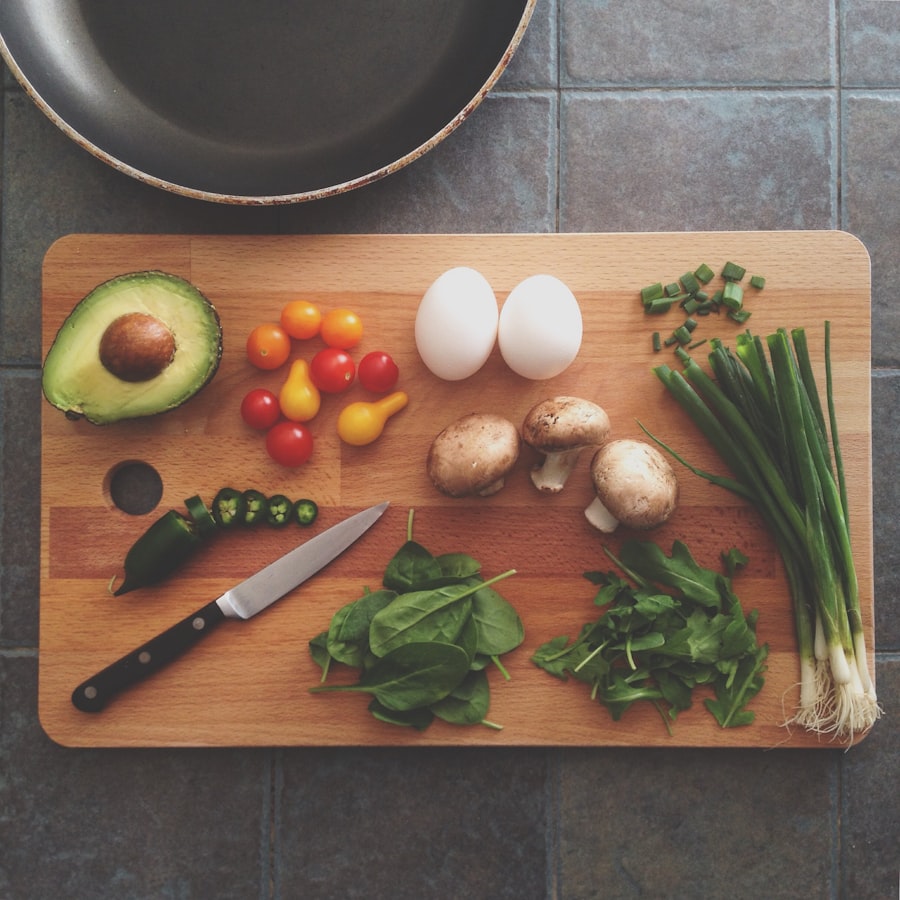
Station ownership means knowing your station better than anyone else.
The Core Lesson
The strongest cook is not always the loudest, the flashiest, the one with the best stories, or the one who talks toughest. Often the strongest cook is the one who owns their station fully, communicates early, recovers quickly, protects standards under pressure, sees problems before they explode, helps without losing their own zone, and becomes more reliable as the room gets harder. That is actual strength in a kitchen — not performance, but function.
The traits that usually create that cook: strong mise en place, high station awareness, good counts, truthful communication, stable emotional response, clean movement, fast recovery, discipline without reminders, and enough humility to keep learning. This course is building those traits layer by layer. Not as abstract concepts — as specific habits that can be practiced, measured, and improved.
Kitchens do not only promote technical skill. They promote the people who make service easier to run. That means becoming the strongest cook on the line often begins long before any title change. It begins when the room starts leaning on you because you are dependable. That is usually how leadership starts in real kitchens: not by announcement, but by gravity. The cook who is consistently reliable, consistently communicative, and consistently stable under pressure becomes the person the team naturally turns to.
The gap between where you are and where the strongest cook on the line is — that gap is not talent. It is habits. And habits are buildable. Every lesson in this course has been building one specific habit. Station ownership, stocking, organization, restocking, emergency planning, inventory awareness, wave recovery, service cleaning, and discipline — these are not abstract virtues. They are specific, learnable behaviors that compound into the strongest cook on the line.
Your station is your responsibility. Own it completely.
The Three Chef Types
Setup is complete, real, and ready for pressure — not just present.
Counts are known, patterns are read, problems are seen before they explode.
Times are honest, shortages are surfaced early, problems are not hidden.
Pressure does not change the quality of decisions — only the speed required.
After a wave, the station rebuilds quickly. After a mistake, the correction is immediate.
The right behaviors happen consistently — not only when watched or motivated.
The strongest cook on the line is still learning. Certainty is the end of growth.
Example Scenario
Write the top 10 traits of the strongest line cook you can imagine.
Now compare that list to your current habits — not your intentions, your actual current habits.
Circle the three biggest gaps.
Those three gaps are your real growth targets right now. Not the whole list — just those three. Work on those three until they are no longer gaps. Then find the next three.
Rookie Mistakes
- Thinking strength means being the loudest or most dramatic
- Waiting for a title before acting like the strongest cook on the line
- Treating the traits as personality instead of habits
- Trying to work on all gaps at once instead of the three most important
- Confusing certainty with mastery — the strongest cooks are still learning
The Professional Standard
Strength is function, not performance — the cook who makes service easier to run
Leadership starts by gravity, not announcement — be reliable before the title
The gap between current habits and the strongest cook is habits, not talent
Identify the three biggest gaps and work on those specifically
Enough humility to keep learning — that is the trait that sustains all the others
Chef Wisdom
"The strongest cook on the line is the cook who combines skill, structure, awareness, discipline, and trustworthiness under pressure. That is what real station ownership creates — and it starts with the decision to own the station, not just work it."
— 25 Years in Professional Kitchens
Workbook Reflection
Write your answers below. These are saved automatically in your browser.
Module 06 Complete
Module 6 teaches the shift from task-based cooking to responsibility-based cooking. By the end of this module, the student should understand what station ownership really means, how to stock correctly in three layers, how to organize a station as a daily discipline, how to build restocking systems based on thresholds, how to plan for failure before it happens, how to maintain inventory awareness, how to recover after hard waves, how to clean during service, how to build station discipline, and what the strongest cook on the line actually looks like.