
Cleaning Your Station During Service
Lesson Objective
Understand that cleaning during service is not cosmetic — it is a station-stability behavior — and build the maintenance cleaning rhythm that keeps the station safe, legible, and functional throughout service.
Why It Matters
Many beginners think cleaning belongs to before service and after service.
Professionals know that cleaning is also part of service itself.
Not deep cleaning. Maintenance cleaning. And the difference between a station that is maintained during service and one that is not becomes visible in the second hour.
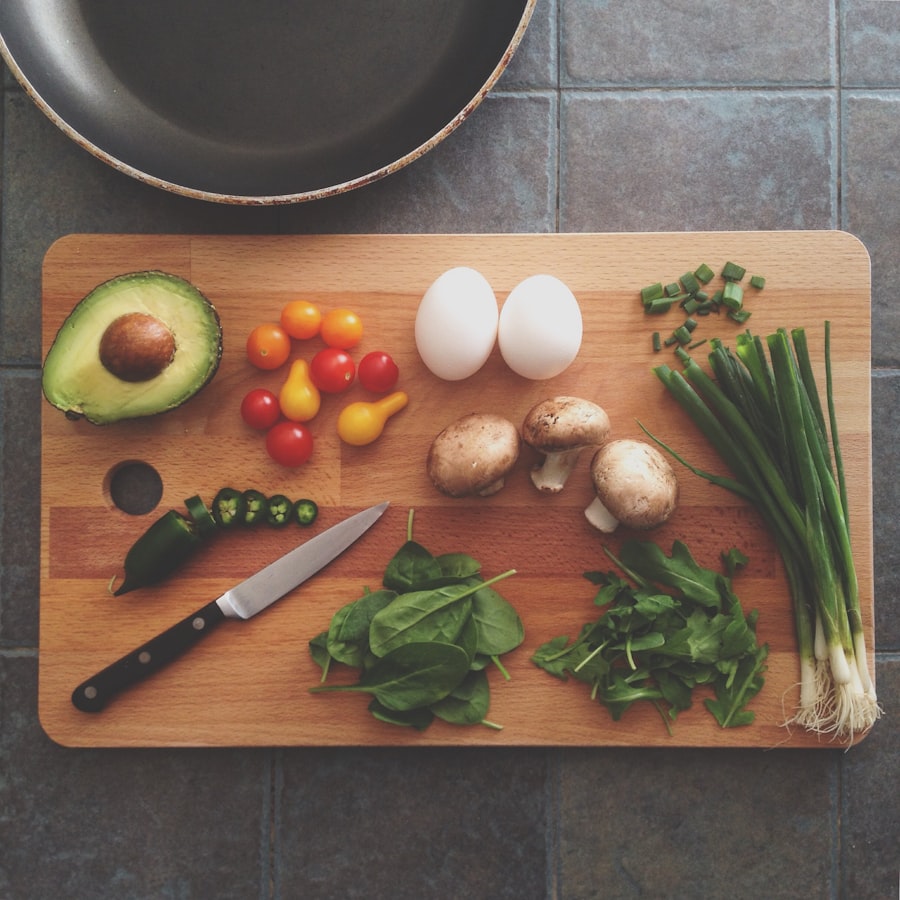
Station ownership means knowing your station better than anyone else.
The Core Lesson
Chef. A dirty grill is not just ugly. It is a safety hazard, a food quality problem, and a statement about your professionalism. Carbon buildup on the grate transfers to the next steak. That black speck you see on a perfect mid-rare? That is yesterday's burger. That is last week's chicken. A dirty grill tells the chef: 'I am lazy.' It tells the other cooks: 'I will leave my mess for you.' Cleaning a grill is not a chore. It is a ritual. It is the final act of service. It is the first act of preparation for the next shift.
There are three types of grills in professional kitchens. The Char Grill (gas or wood): cast iron or steel grates over open flames, used for steaks, burgers, chicken, cleaned with a grill brick or wire brush. The Flat Top (griddle): a smooth steel surface heated from below, used for breakfast, burgers, stir-fry, cleaned with a grill brick, oil, and a scraper. The Broiler (overhead or under-fired): high-heat radiant cooking, used for steaks, fish, chops, cleaned with degreaser and elbow grease. The cardinal rule: never clean a cold grill. Heat is your friend. Heat loosens carbon. Heat makes the brick work faster. A cold grill takes three times as long to clean.
Cleaning a char grill: Let the grill cool slightly after the last ticket (300-400°F, hot but not glowing). Scrape loose debris with a wire brush — but check your brush for loose bristles. A loose bristle can end up in a steak and then in a guest's throat. This is a lawsuit. Some kitchens have banned wire brushes entirely. Use a grill brick instead. Apply firm pressure with the brick along the grates, following the direction of the grates. Wipe away debris with a towel as you go. Then oil the grates: soak a clean towel in high-smoke-point oil, use long tongs to hold the towel, wipe the oil across the hot grates. The oil will smoke. This is seasoning the grill. Final scrape and wipe. The grates should be clean, dry, and lightly oiled.
Cleaning a flat top: Let it cool to 300-350°F. Scrape off loose debris with a heavy-duty scraper, push debris into the grease trough. Apply grill brick in circular motions, or use flat top cleaner/degreaser for heavy buildup (ensure hood is on, wear gloves, do not breathe fumes). Scrape again. If you used chemical cleaner, pour a small amount of water onto the flat top to rinse. Dry and oil. Always oil a flat top after cleaning — steel rusts without oil. Clean the grease trough daily: a full grease trough is a fire hazard. Daily maintenance: scrape and brick the cooking surface, empty and clean the grease trough, wipe down the exterior, oil the cooking surface. Weekly: deep clean the entire grill, check for gas leaks with a soapy water test. Monthly: disassemble and clean burners, check gas lines, calibrate temperature gauges. Clean your grill every shift. Do not leave your mess for the next cook. A clean grill is a sign of a professional kitchen. A dirty grill is a sign of amateurs.
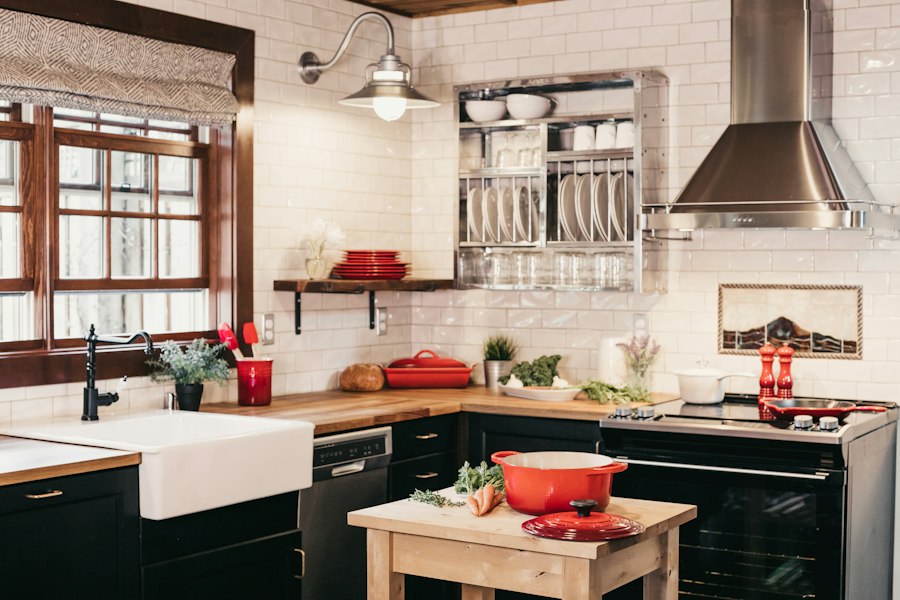
Your station is your responsibility. Own it completely.
Example Scenario
Make a list of the 5 things on a station that become most dangerous or most expensive when they are not kept clean during service.
For each one, write: what it costs when dirty (safety risk, time cost, mental cost) and how long it takes to maintain (usually 5-10 seconds).
That teaches the real math of service cleaning: the cost of not doing it is almost always higher than the cost of doing it.
Rookie Mistakes
- Saving all cleaning for after the rush — when the damage is already done
- Treating service cleaning as cosmetic instead of operational
- Letting spills compound instead of addressing them immediately
- Cleaning only when chef is watching
- Not building cleaning into the natural rhythm of service
The Professional Standard
Cleaning during service is a station-stability behavior, not cosmetic
Goal: controlled cleanliness — enough order to think and move safely
Build cleaning into rhythm: 5-second wipes, immediate spill response, tool returns
A 5-second wipe saves 30 seconds of confusion later
The station that is maintained during service is the station that finishes strong
Chef Wisdom
"Cleaning during service is not cosmetic. It is a station-stability behavior. The cook who maintains the station throughout service is the cook who can still execute cleanly in the fourth hour."
— 25 Years in Professional Kitchens
Workbook Reflection
Write your answers below. These are saved automatically in your browser.
Extended Study
The relationship between environmental order and cognitive performance is well-established in performance psychology. Studies of high-performance environments — operating rooms, aircraft cockpits, military command centers — consistently show that maintaining environmental order under pressure is not a luxury. It is a performance requirement. The same principle applies to a kitchen station.
The Compound Effect of Disorder: A single dirty surface is a minor inconvenience. Two dirty surfaces and a missing tong are a small problem. Four dirty surfaces, two missing tools, a spill, and a scrap pile are a significant cognitive load. The compound effect of disorder is non-linear — each additional element of disorder makes the station disproportionately harder to navigate. This is why maintenance cleaning — addressing disorder before it compounds — is so much more efficient than recovery cleaning after it has accumulated.
The 5-Second Rule: Most maintenance cleaning actions take 5 to 10 seconds. A board wipe: 5 seconds. A tong return: 3 seconds. A spill addressed immediately: 8 seconds. The same spill left for twenty minutes: 45 seconds plus the cost of what it contaminated or caused. The math of maintenance cleaning is overwhelmingly in favor of doing it — but only if the cook can see the math. Most beginners cannot see it because they are focused on the immediate ticket, not the cumulative cost of neglected maintenance.
Kitchen Simulation
Scenario A — The Spill Decision: A sauce spills on your board during a push. You have a ticket waiting. Do you wipe it now or after the pickup? The Survival Move: Wipe it now. Eight seconds. The alternative is: the sauce spreads, contaminates the next item, creates a slip risk, and requires a full board wipe in thirty seconds instead of a quick wipe now. The eight seconds you spend now saves forty seconds later. Scenario B — The Clutter Build: Over the first ninety minutes of service, your station has accumulated: three used towels, a scrap pile, two displaced tongs, and a squeeze bottle in the wrong place. You have not cleaned because 'there's no time.' The Survival Move: There is always time for a 30-second maintenance reset. The cost of not doing it is a station that is increasingly hard to navigate — and a cook who is increasingly stressed.
Mastery Quiz
Test yourself before revealing answers. These questions come directly from your certification exam.
Take It to the Kitchen
During your next service, track every cleaning action you take — note what you cleaned, how long it took, and what problem it prevented. After service, calculate the total time spent on maintenance cleaning and estimate the time it saved by preventing disorder from compounding. This exercise makes the math of maintenance cleaning visible.
Module 7, Lesson 61: Clean As You Go — the broader philosophy of cleanliness as performanceModule 6, Lesson 53: Station Organization as a Daily Discipline — the foundation that maintenance cleaning supportsModule 7, Lesson 62: Food Safety in Real Kitchens — how service cleaning connects to food safety