Avoiding Drama Without Becoming Politically Naive
Lesson Objective
Develop the ability to stay above kitchen drama without becoming socially blind, easy to manipulate, or easy to isolate — by building the distinction between awareness and participation.
Why It Matters
'Stay out of drama' is good advice. But it is incomplete.
Because some people try to stay out of drama by becoming socially blind, silent, or disengaged. That creates a different weakness: political naivete.
A strong cook learns to avoid drama without becoming easy to manipulate, easy to isolate, or easy to misunderstand.
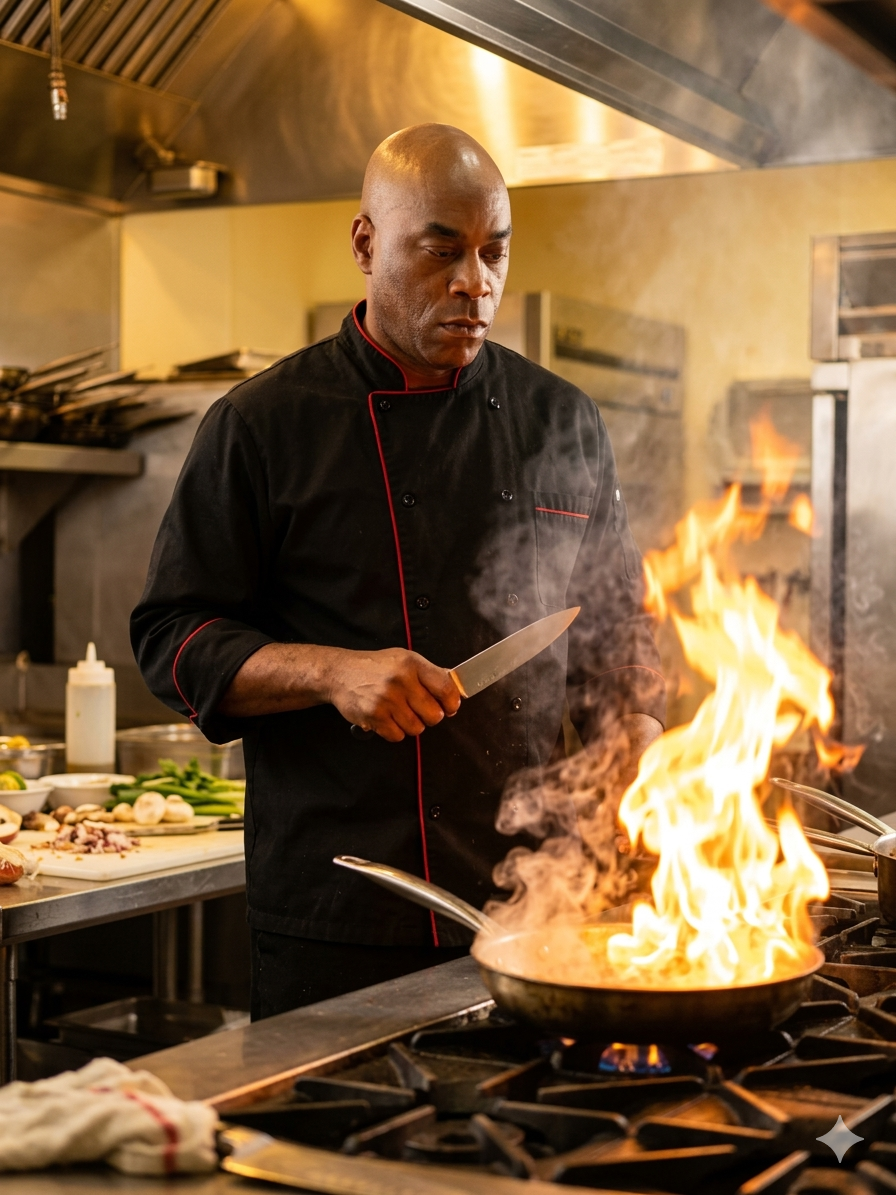
Kitchen politics are real. Navigate them with professionalism.
The Core Lesson
Drama is emotional energy that spreads without improving the kitchen. It often includes gossip, camps, repeated complaining with no action, personal narratives overtaking service reality, loyalty tests, blame circulation, status competition, and indirect communication. Drama makes the room less accurate. That is why it is dangerous — not because it is unpleasant, but because it distorts the room's ability to see reality clearly.
Drama pulls people in because it offers things they secretly want: belonging, superiority, emotional release, attention, a villain, and a quick explanation for why life is hard. That is why good people still get pulled into it. The learner must understand that staying above drama requires self-awareness, not just good intentions. You can intend to stay out of drama and still be absorbed by it if you are not actively managing your own participation.
The difference between awareness and participation is the key distinction. A mature cook can know who dislikes whom, what tension exists, where power sits, and what personalities clash — without becoming a courier of emotional content. That is social maturity. You are informed without being involved. You can see the political landscape without living in it.
Stay focused on your work. Let your performance speak.
Example Scenario
List three forms of kitchen drama. For each one, write: why it attracts people, what it costs the room, and how a disciplined cook should avoid getting absorbed by it.
Example: gossip about a chef's favoritism. Why it attracts: belonging, shared grievance, feeling informed. What it costs: trust erosion, distraction, emotional fatigue. How to avoid: listen briefly, do not repeat, redirect to work reality.
Rookie Mistakes
- Trying to stay out of drama by becoming socially blind — this creates political naivete
- Becoming a gossip drop zone — absorbing everyone's venting makes you part of the political flow
- Validating everything just to be liked — agreement is often used as a social trap
- Not noticing patterns because you are trying to stay neutral — awareness is not the same as participation
- Repeating what you hear — in kitchens, repeated words move faster than people think
The Professional Standard
Avoiding drama requires self-awareness, not just good intentions
The distinction: awareness vs. participation — you can know without becoming a courier
Do not become a gossip drop zone — absorbing venting makes you part of the political flow
Stay grounded in work reality — what is actually happening operationally?
Be careful what you repeat — words move faster in kitchens than people think
Chef Wisdom
"Avoiding drama does not mean becoming unaware. It means becoming aware enough not to be ruled by it. Social maturity is knowing the political landscape without living in it."
— 25 Years in Professional Kitchens
Workbook Reflection
Write your answers below. These are saved automatically in your browser.