Interviewing for Kitchen Jobs Like a Professional
Lesson Objective
Understand that kitchen interviews are trust conversations as much as skill conversations — and develop the specific language, questions, and signals that make a strong professional impression.
Why It Matters
Interviews in kitchens are political moments. They are not only about whether you can do the work. They are also about whether the kitchen can imagine living with you in the room every day under stress.
That means the interview is partly a skill conversation and partly a trust conversation.
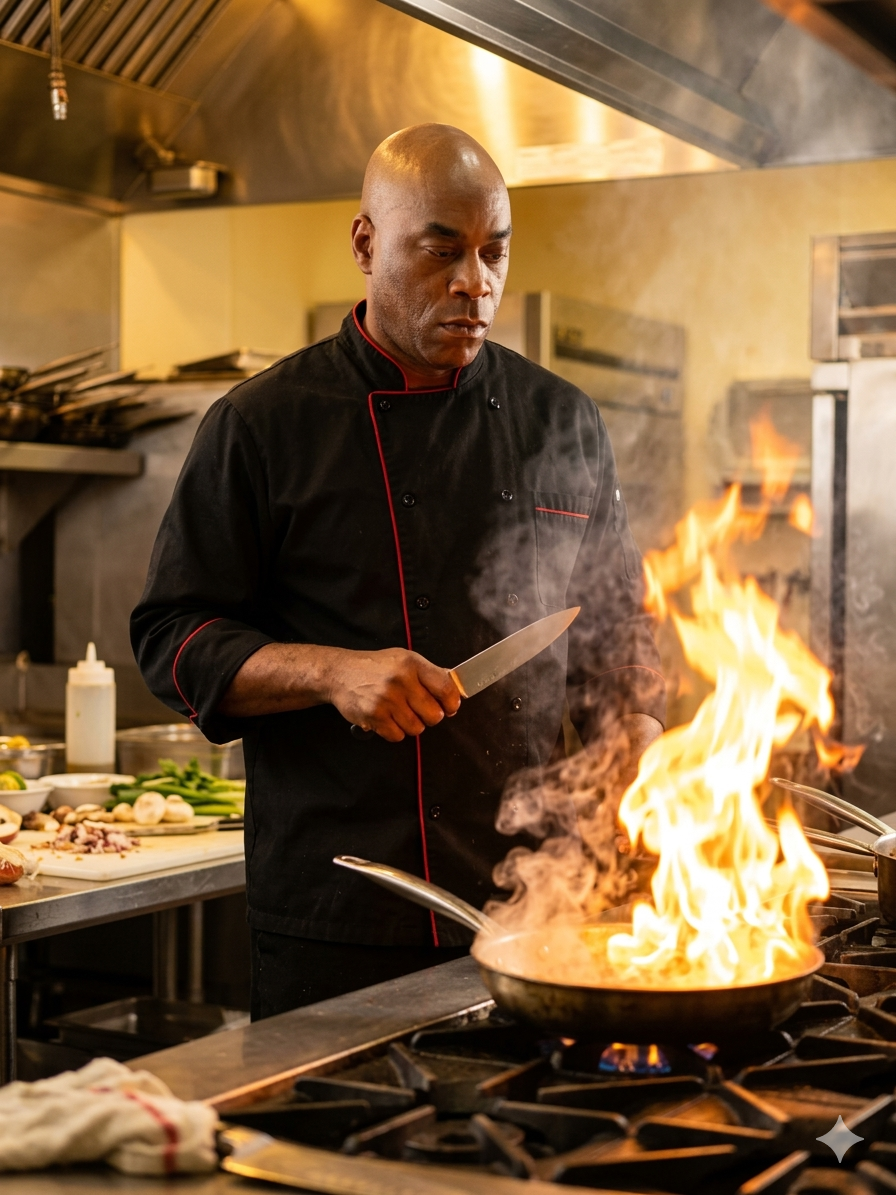
Kitchen politics are real. Navigate them with professionalism.
The Core Lesson
Kitchens want to know: can this person work? Can this person learn? Can this person handle pressure? Can this person communicate? Can this person fit this room? Is this person going to become a burden or an asset? That means a kitchen interview is really a forecast exercise. The kitchen is trying to predict what you will be like six months from now — not just what you can do today.
Strong kitchen interview candidates signal seriousness, humility, practical awareness, work ethic, ability to learn, understanding of kitchen reality, and respect for standards. They do not need to act like a celebrity chef. In fact, excessive performance usually hurts beginners. The candidate who walks in performing confidence they have not earned yet creates doubt, not trust.
Strong interview language includes themes like: 'I work clean.' 'I learn fast and take correction well.' 'I care about station discipline.' 'I understand the importance of communication during service.' 'I'm trying to grow in strong kitchens and build real habits.' That language says much more than: 'I can cook anything.' It signals that you understand what kitchens actually need — not just what you want to offer.
Stay focused on your work. Let your performance speak.
Example Scenario
Write your answer to: 'Why do you want to work here?' Then rewrite it to sound: less emotional, more grounded, more operational, more professional.
First version: 'I've always loved food and I want to grow as a cook.' Revised version: 'I'm looking for a kitchen with strong standards where I can build real habits and learn from experienced cooks. I want to be in a room that takes the work seriously.'
The second version signals operational maturity. The first signals enthusiasm without substance.
Rookie Mistakes
- Performing confidence you have not earned yet — this creates doubt, not trust
- Saying 'I can cook anything' — this signals overconfidence, not capability
- Not asking questions — questions show you understand that kitchen success is operational
- Being too emotional in your answers — kitchens want operational maturity, not enthusiasm
- Not researching the kitchen before the interview — this signals lack of seriousness
The Professional Standard
Kitchen interviews are trust conversations as much as skill conversations
Strong signals: seriousness, humility, practical awareness, ability to learn
Strong language: 'I work clean.' 'I take correction well.' 'I care about station discipline.'
Ask operational questions: What station would I start on? What does a successful first month look like?
The interview is a forecast exercise — signal what you will be like six months from now
Chef Wisdom
"A kitchen interview is not a stage for hype. It is a chance to show that you understand how real kitchens work and that you are worth the room's trust. Humility and operational awareness are more impressive than performance."
— 25 Years in Professional Kitchens
Workbook Reflection
Write your answers below. These are saved automatically in your browser.