Building Your Reputation Deliberately
Lesson Objective
Understand how kitchen reputation actually forms — and build the specific behaviors that create a strong, trustworthy reputation deliberately, rather than accidentally.
Why It Matters
Reputation in kitchens forms whether you manage it or not.
That means every cook is building a reputation already — intentionally or accidentally.
This matters because reputation affects who gets trusted, who gets taught, who gets promoted, who gets defended, who gets blamed first, and who people want on the shift.
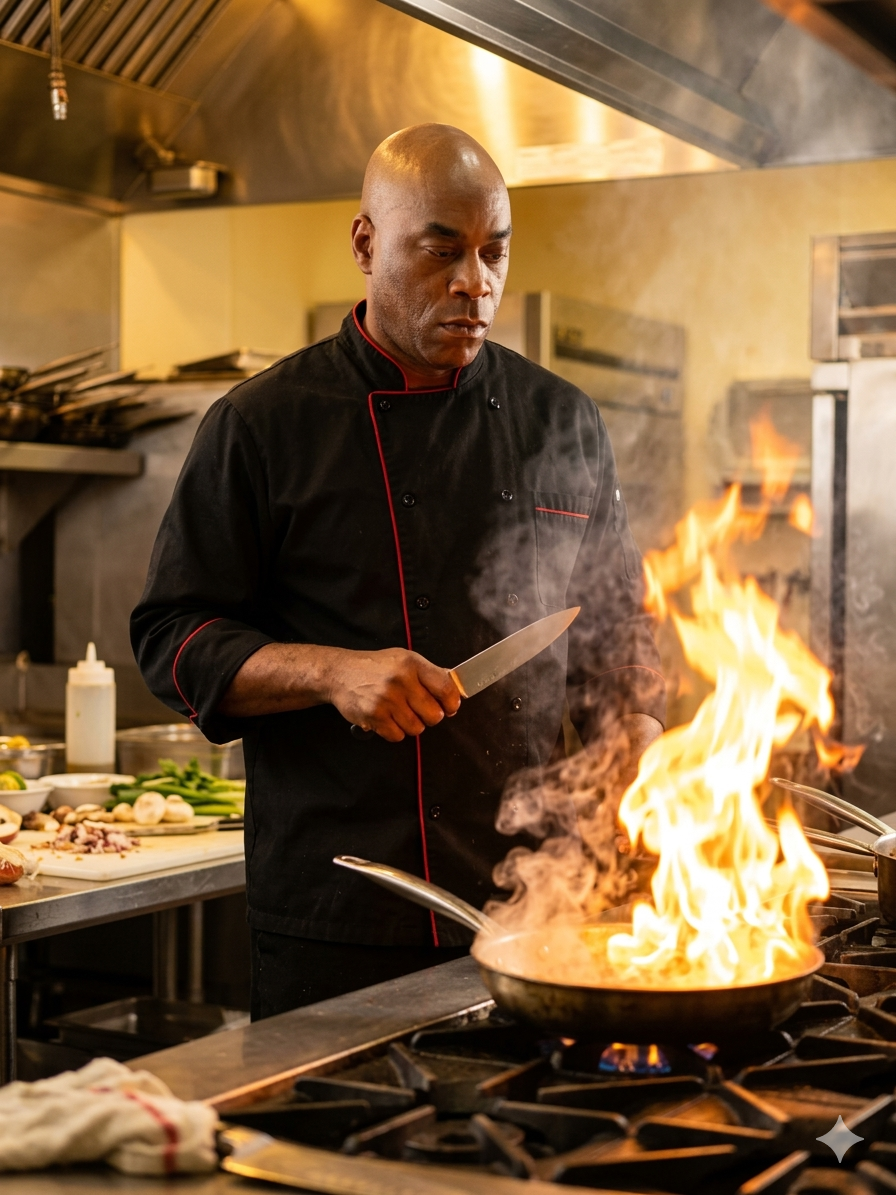
Kitchen politics are real. Navigate them with professionalism.
The Core Lesson
Reputation does not usually form from one dramatic moment. It forms from repeated patterns. People remember whether you are on time, whether your station is stable, how you react under pressure, whether you clean, whether you gossip, whether you tell the truth, whether you improve, whether you are emotionally expensive, and whether you help or hide. That means your reputation is not your self-description. It is the memory pattern others build around your behavior.
Reputation is sticky because kitchens are repetitive environments. Patterns become visible quickly, and once someone has a story about you, new behavior gets interpreted through that story. That means early consistency matters a lot. It also means reputation repair is possible — but usually slower than reputation damage. This is why building the right reputation from the beginning is so much more efficient than trying to repair a damaged one.
Focus on becoming known for honesty, station control, useful communication, low drama, visible improvement, reliability, discipline, and trustworthiness. Do not chase being known as the funniest, toughest, loudest, or most naturally gifted. Those are much less valuable long-term than being trusted. Trust is the reputation that opens doors — the others are just noise.
Stay focused on your work. Let your performance speak.
The Three Chef Types
Are you competent? Clean? Fast? Accurate? This is the baseline — the minimum required to be taken seriously. Without it, nothing else matters. But it is also not sufficient on its own.
Are you honest? Coachable? Bitter? Loyal? Lazy? This is the layer that determines whether people want to work with you and whether leadership trusts you with more. Character reputation often outlasts technical reputation.
Who are you when service gets ugly? This third zone matters most in many kitchens. It is the reputation that is hardest to fake and most remembered. A cook who stays disciplined, honest, and useful under maximum pressure has the strongest reputation in the room.
Example Scenario
Write two lists: what reputation do weak cooks accidentally build? What reputation do strong cooks intentionally build?
Weak: unreliable, emotional under pressure, gossips, blames, inconsistent, needs supervision, creates drama. Strong: honest, disciplined, reliable, coachable, useful under pressure, low drama, visible improvement.
Now write the reputation you want the room to have of you. That teaches deliberate identity.
Rookie Mistakes
- Building reputation accidentally instead of deliberately
- Chasing impressive over trustworthy — trust is the reputation that opens doors
- Not understanding that early consistency matters most — patterns form quickly
- Thinking reputation repair is as fast as reputation damage — it is not
- Underestimating pressure reputation — it is the most remembered zone
The Professional Standard
Your reputation is not your self-description — it is the memory pattern others build around your behavior
The three zones: technical, character, pressure — pressure reputation matters most
Early consistency matters most — patterns become visible quickly in repetitive environments
Build reputation on honesty, station control, useful communication, low drama, reliability
Reputation repair is possible but slower than reputation damage — build it right from the start
Chef Wisdom
"Your reputation is built from repeated behavior under pressure. Build it on purpose. The cook who manages their reputation deliberately is the cook who controls their own career trajectory."
— 25 Years in Professional Kitchens
Workbook Reflection
Write your answers below. These are saved automatically in your browser.