
Judging Employee Performance Like a Leader
Lesson Objective
Develop the ability to evaluate kitchen performance accurately — not through gossip judgment, but through operational judgment — using the five-category evaluation framework.
Why It Matters
Once a cook begins thinking like a chef, they must also learn to evaluate people.
Not to become arrogant. Not to become cynical. But because leadership requires accurate reading of capability.
A kitchen leader must know: who is stable, who is learning, who is faking, who is improving, who creates drag, and who strengthens the room.
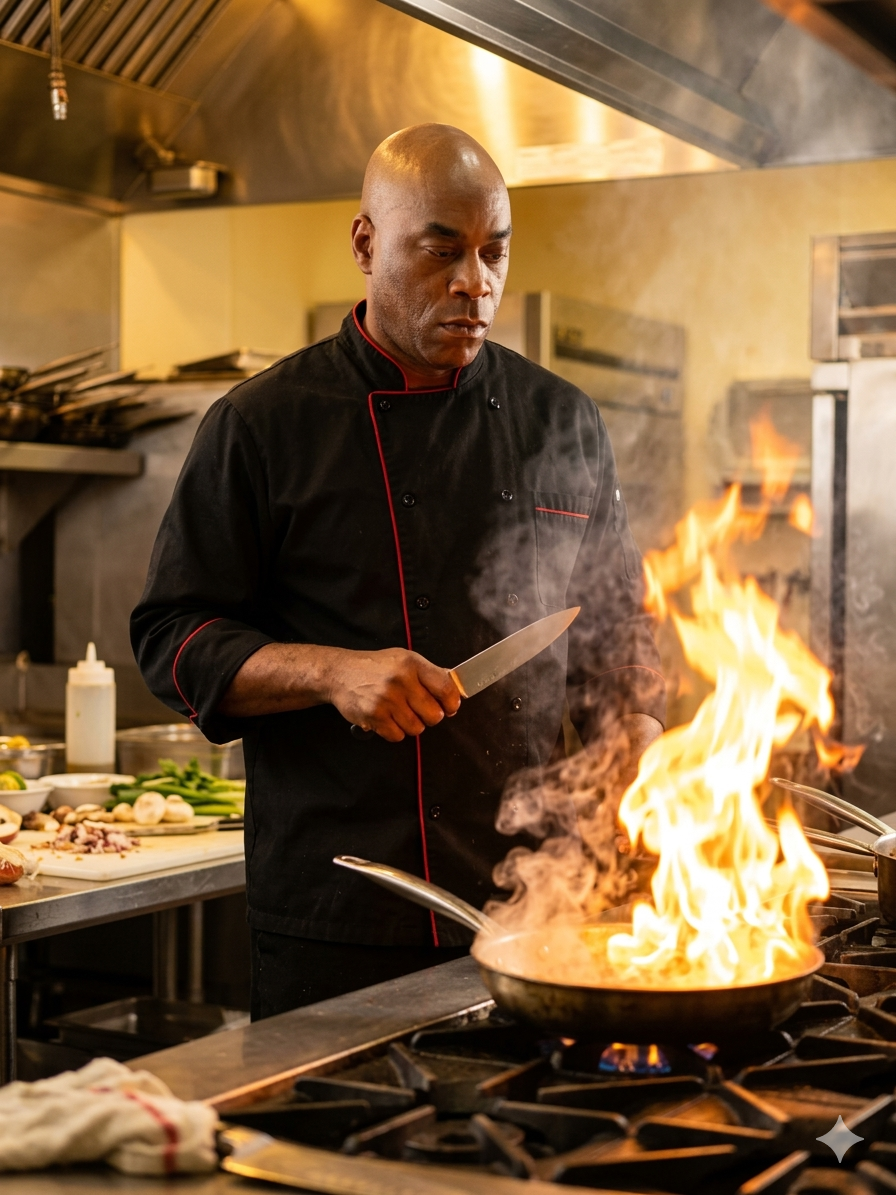
Kitchen politics are real. Navigate them with professionalism.
The Core Lesson
A strong performance read usually includes five categories: technical competence (can they execute the station?), pressure behavior (who do they become when service gets hard?), reliability (do they repeat good behavior?), coachability (do corrections change future behavior?), and system effect (do they make the room easier or harder to run?). These five categories are far more useful than simplistic labels like 'good' or 'bad.'
Common evaluation mistakes: overvaluing confidence, undervaluing consistency, confusing personality with competence, being fooled by one good shift, judging only visible speed and not hidden cost, and letting likeability distort operational truth. These mistakes create weak leadership. The leader who cannot evaluate accurately cannot build a strong team — they will keep the wrong people and lose the right ones.
The most revealing leadership exercise: rank three imaginary cooks by promotability. Technically talented but emotionally unstable. Average skill but highly reliable. Fast but messy and excuse-prone. Most people's instinct is to rank them by talent. But operational reality usually ranks them differently — reliability and system effect often matter more than raw skill in a kitchen that needs to run every night.
Stay focused on your work. Let your performance speak.
The Three Chef Types
Can they execute the station? Speed, accuracy, product quality, mise en place discipline. This is the baseline — but it is only one of five categories.
Who do they become when service gets hard? Do they get sharper or do they collapse? Do they communicate or go silent? Do they help or hide? Pressure behavior reveals character.
Do they repeat good behavior? Is their performance consistent or wildly variable? Can you count on them to be the same cook on Tuesday as they were on Saturday? Reliability is the foundation of trust.
Do corrections change future behavior? Does this person absorb feedback and improve, or do they defend and repeat? Coachability determines how fast someone grows — and whether investing in them pays off.
Do they make the room easier or harder to run? Do they reduce friction or create it? Do they communicate in ways that help others, or do they create extra management burden? System effect is the most important category for team building.
Example Scenario
Take three imaginary cooks: technically talented but emotionally unstable, average skill but highly reliable, fast but messy and excuse-prone. Rank them by promotability and explain why.
This is a very revealing leadership exercise because most people's instinct is wrong. The reliable cook often outranks the talented one — because reliability creates trust, and trust is what kitchens are built on.
Rookie Mistakes
- Overvaluing confidence — confidence is not competence
- Undervaluing consistency — reliability is the foundation of trust
- Being fooled by one good shift — pattern matters more than peak performance
- Letting likeability distort operational truth — likeable people can still create drag
- Not weighing system effect heavily enough — negative system effect can make the kitchen worse overall
The Professional Standard
The five-category evaluation: technical competence, pressure behavior, reliability, coachability, system effect
System effect is the most important category for team building
Reliability often outranks talent in operational reality — kitchens need to run every night
Coachability determines how fast someone grows — weight it heavily
Accurate evaluation is the foundation of strong leadership — weak evaluation creates weak teams
Chef Wisdom
"Leaders must learn to judge performance accurately — not through gossip judgment, but through operational judgment. The five-category framework creates the clarity needed to build a team that actually works."
— 25 Years in Professional Kitchens
Workbook Reflection
Write your answers below. These are saved automatically in your browser.